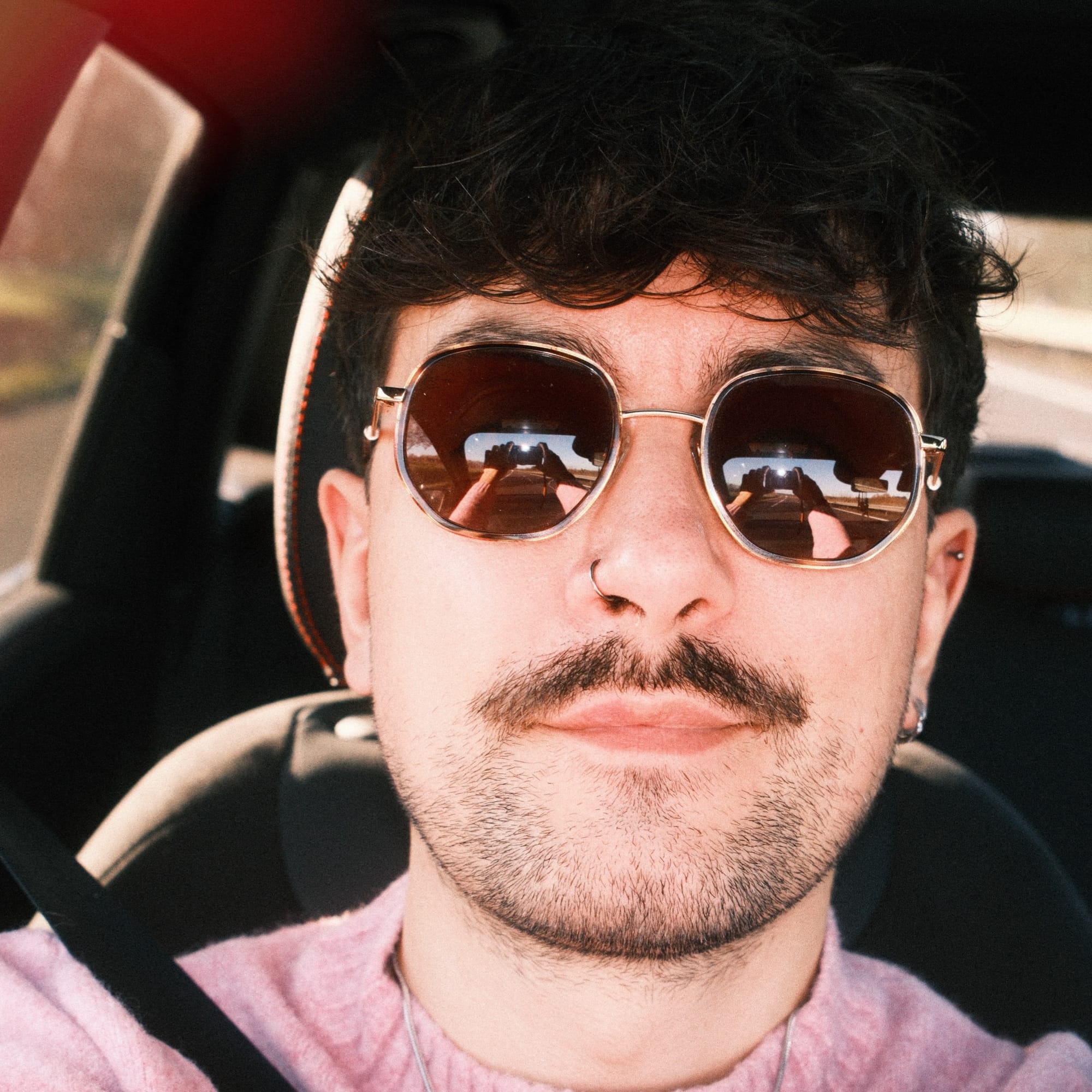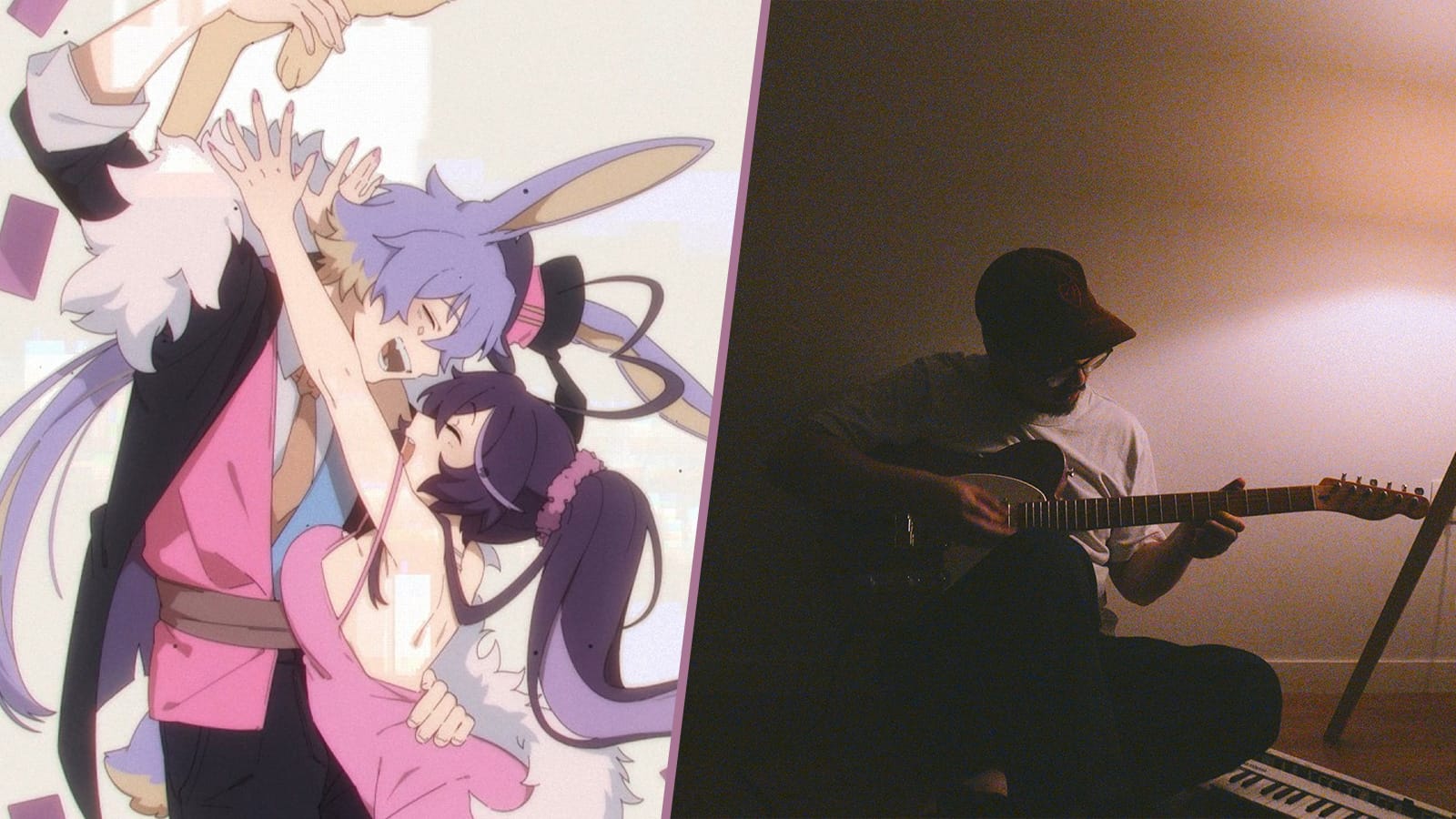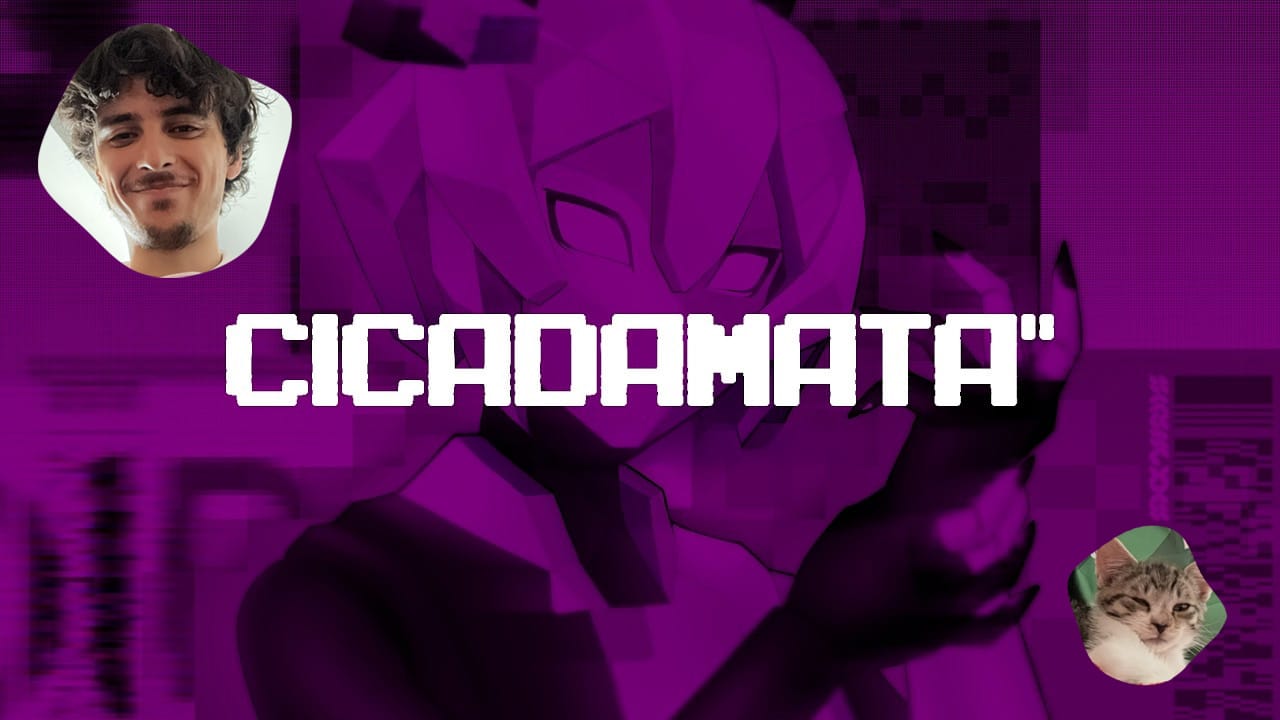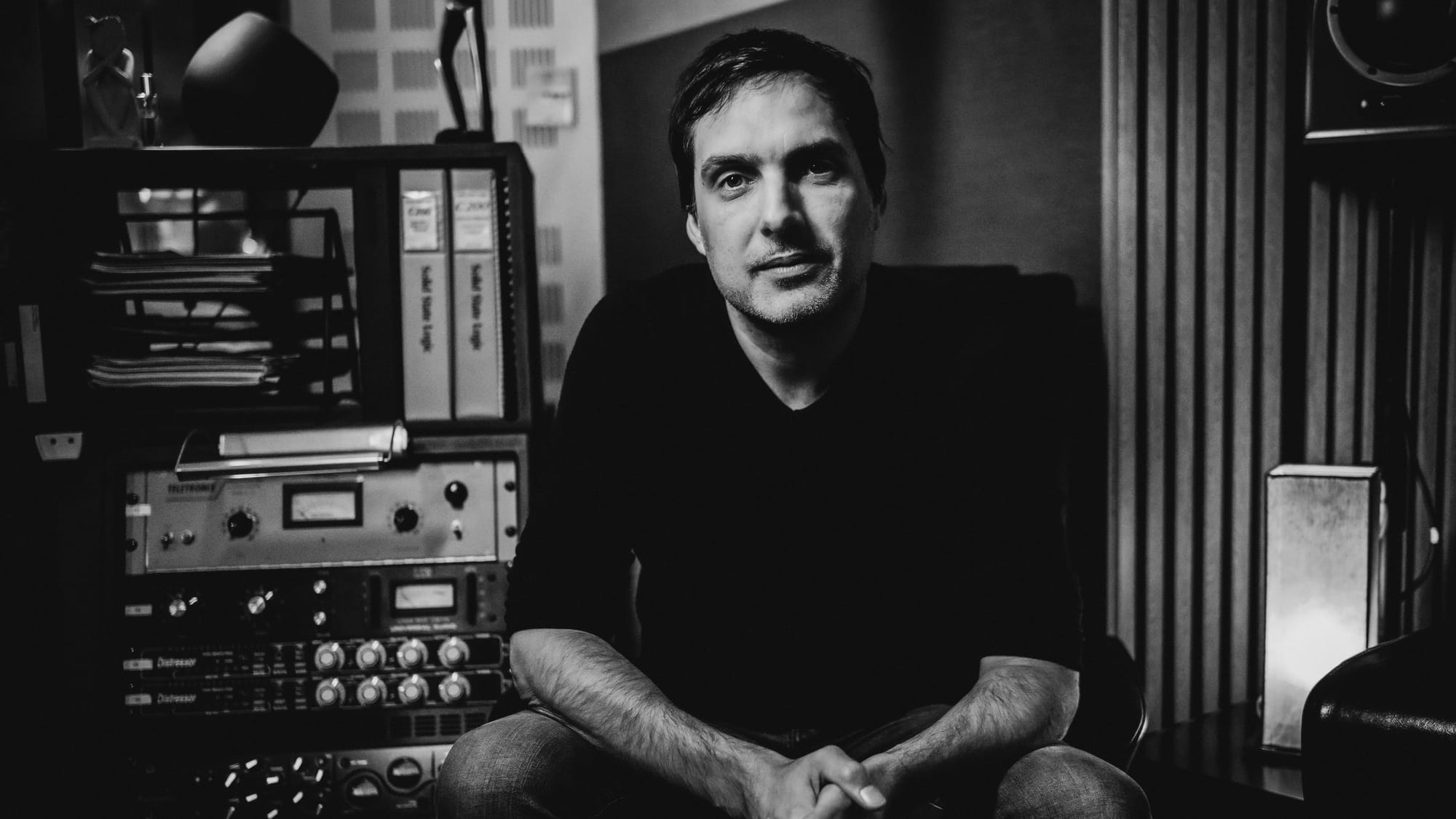
I've been a fan of these guys for years. So, I figured the release of their latest score was the perfect excuse to finally send that email and ask for an interview. Chivalware is an engrossing, fast-paced arcade game that draws from classic tile-matching titles while layering enticing roguelite mechanics on top. It's tailored to become your next favorite time-sink, making the soundtrack an even more crucial piece of the puzzle. You'll hear those tunes over and over and over again—and, believe me, you'll still be asking for more.
For Chivalware, Fat Bard ventures into uncharted territory with a full-fledged drum-and-bass album: a (very) welcome surprise, even from a duo that despises repeating themselves.
Hey guys! I’m so thrilled to finally have you on for an interview. How have you been? You've been on an absolute tear this year—dropping no less than five new OSTs in 2026 is wild!
Zach Fendelman (Fat Bard): We're doing well, thanks! It's exciting to have a year filled with so many releases. We've had many years where, despite working on a lot of in-dev projects, nothing launched. And that can definitely make things feel like a slog. It's rewarding to be able to celebrate all these games and see our work out in the wild!
If your Bandcamp is anything to go by, it’s officially been over a decade since you started scoring video games professionally. Take me back to how it all started.
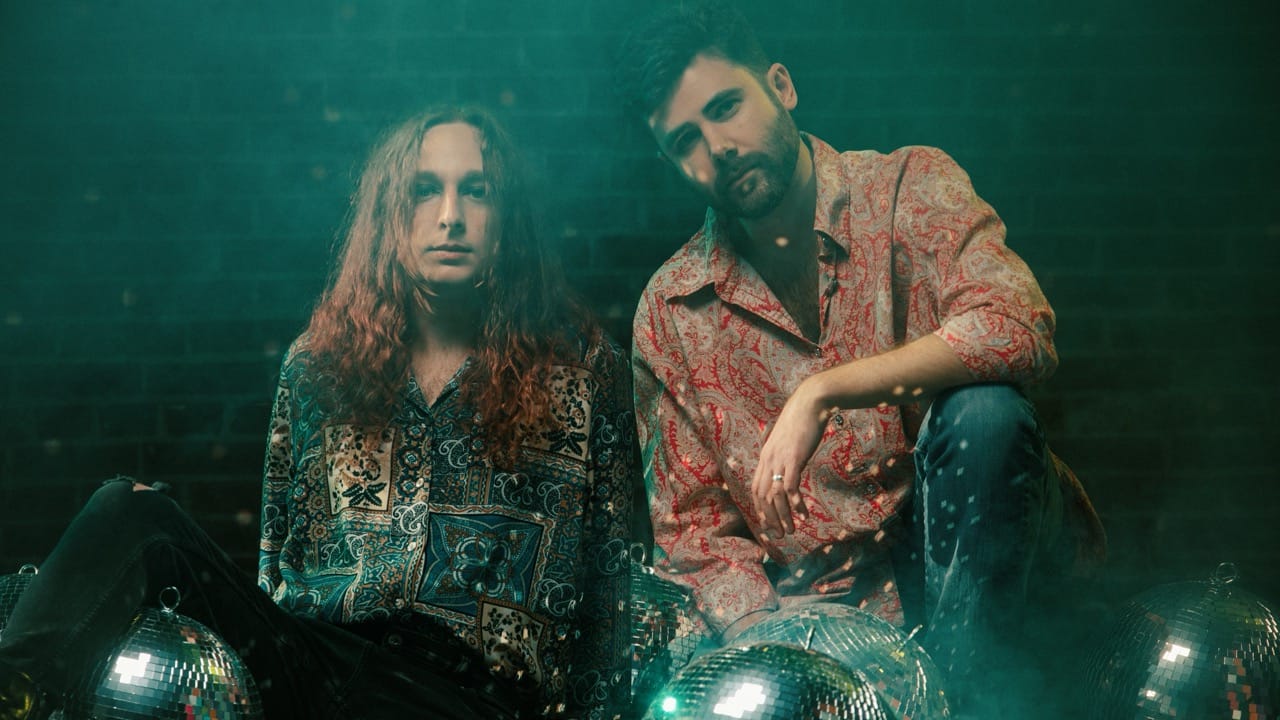
ZF: Pat and I met here in St. Louis when I was in high school playing in punk bands. He had recently graduated from Berklee and spun up a home recording studio, and he wound up recording a friend of my dad’s. So through that recommendation we met and did a handful of EPs for my high school bands. It was the first time I really got to experience what recording/engineering was like, and we quickly developed a super efficient working relationship.
A little while after, I got introduced to electronic music and MIDI composition through a music lab class that my high school offered. So I was getting into beatmaking and amateur scoring and learning about the electronic side of producing music. I mentioned it to Pat and it sort of sparked the idea of making game music. And since we were used to operating in a band-type environment, we thought it’d be cool to try it together, essentially under a “band name”. So we came up with Fat Bard and started going to local game jams and meetups to meet developers.
This was around 2012–2013, so the indie games industry was just beginning to emerge, and we didn’t really know anything about games other than we liked them and we liked game music. Our very first jam was at the headquarters of Simutronics in (I think..?) summer 2012. That was our debut as Fat Bard. After that, we did pretty much every in-person jam in St. Louis for a few years. We’d haul our computers to the jam site, set up shop at our own table, and bang out like five different games between the two of us. It was great for wood shedding and portfolio building, and we met a lot of cool people from those initial outings that we’re still friends with, and do projects with!
I first discovered your work back in 2020 with the release of Jet Lancer, though I feel like that soundtrack is still flying under the radar. Am I the only one who's completely obsessed with it?
ZF: We’re still very proud of how that soundtrack turned out. It was probably the first one we did that got some buzz specifically for the music, and not just because the game itself was good and/or notable. It was also cool to just try to introduce some fresh takes on rock into the world of game music. I have a background in math rock and post-hardcore, so it was a no-brainer for me. That stuff is just so fun to write, especially when I don’t have to worry about adding vocals.
The reason we’re chatting today is the release of Chivalware, for which you delivered a pure, 100% drum and bass score. Lay it on me: how did you get attached to the project, and how did the musical direction come together?
ZF: We actually did an unreleased project with Max (Regal Pigeon) back in 2020. I’m still a little sad that one never made it out; the music was dope. But we got reconnected through Dotemu for Chivalware.
It’s funny how small the games industry really is. You never know when a relationship will come back around like that. Max was the one who initially suggested a DnB soundtrack and, as you mentioned in your review, we hadn’t done a full DnB release before, so we jumped at the idea.
Is DnB a genre you listen to on your own time? People mostly know you for your heavier, rock-driven tracks.
ZF: I had definitely been familiar with the genre. Goldie was one of the first electronic artists I ever got into, and I’m also a huge fan of the LTJ Bukem Producer series. I was listening to a lot of Producer 06 by Seba when we were making this.
We’ve been seeing a huge resurgence of DnB and jungle vibes in indie games over the past few years. Why do you think that sound clicks so well with games right now?
ZF: A lot of that started when the '80s revival aesthetics fell out of fashion and the '90s revival stuff got really popular a few years ago. I was selfishly very happy about it because I hate synthwave music and I was happy to see it get replaced by a genre with actual roots in dance music culture. Okay, rant over—the cool thing about drum and bass is there’s a lot of emphasis on sound design and atmosphere. At its core, it’s a very simple genre. But how you choose to present it is where the magic happens.
It works well with games because if you get things set up right, the music just flows endlessly and you can really get into a trance with the groove. Again, I think a lot of that has to do with the club music roots. There’s also a history of DnB in cool niche games like WipEout, Ape Escape, Super Monkey Ball, etc. People want to recapture that vibe, myself included.
I really look at you two as total chameleons in the video game music space. You’re not just prolific—you’ve tackled so many different genres across your catalog. Do you treat every new project like a personal challenge, or almost like a test lab?
ZF: Yeah, we just really don’t like to say no to anything. Every project is an opportunity to learn something new, and get a bit of a palette cleanser from the last thing we did. When we started, there were a lot of professionals advising new composers to be a "specialist" instead of "jack-of-all-trades." Basically saying, you’ll have a hard time getting hired if you’re not known for one specific thing.
But we always felt like that was a double-edged sword. If you’re only known for one style, what happens when that style goes out of fashion? How do you keep things interesting on the 20th soundtrack of the same genre without losing the spark? We’re both doing this full-time, and we need every project we can get to stay afloat year after year. So it’s in our best interest to try new things and just say yes. We get a lot of fulfillment out of successfully tackling a new style we haven’t done before. Plus, there are so many things you can learn and cross over from wildly different genres.
Are you just walking encyclopedias when it comes to music, or do you start every gig with an intense deep-dive phase, listening to stacks of records for reference?
ZF: We definitely do a deep dive on every project, regardless of whether we’re familiar with the style or not. But yes, I’m a huge fan of music in general, and I really don’t discriminate (except for synthwave). I’m always listening when I’m driving, in the shower, cleaning, or sleeping.
I think it’s your number-one job as a composer to have great taste, and that requires a knowledge of the history of genres and subgenres and the culture around them. You should know what makes a genre tick, why you like it, or why you don’t like it. When I walk into a room, no matter who is there, I want to be able to have a conversation with them about the music they like, and be able to back it up with my own experience of that artist or style.
So I like to at least have a cursory knowledge of all genres, and when I come across something I’ve never heard before, I make it a point to save and listen to a few records in that style. Just in case it ever comes up socially or professionally.
Which track on the Chivalware OST are you most proud of, and what makes it stand out for you?
ZF: Mine is probably "Murk Algorithm". That was the first one I really locked in on for the soundtrack. Since it’s a swamp theme, I thought it’d be fun to sample some swampy nature atmosphere. So you can hear bugs and stuff throughout. There’s a chirping sound that’s actually an organ I sent through a super-fast tremolo to get it to sound like a cricket. Pat’s favorite is "Dust Sector".
Is there a musical genre you haven’t tackled yet that you're itching to dive into on a future project?
ZF: We want to do a horror soundtrack. Like a proper dark ambient, experimental, soundscapey OST. Somebody please email us.
Most composers work solo, which I imagine makes the decision-making process a bit more straightforward. How do you look at your dynamic as a duo, tackling the same projects four-handed?
ZF: One of us will always take the lead on a project and set the tone. Then we split the workload about as 50/50 as we can and we each do individual songs ourselves. We’ve worked together long enough that we completely trust each other to make the right choices. And ultimately we’re both working to keep the developer happy and excited, so that drives a lot of the decision-making as well.
We used to be very concerned with continuity between our tracks. But these days we’ll kinda step out and push our own songs in slightly different directions to give the OSTs a bit more of a well-rounded feel.
I’m curious: what’s your own history with gaming? Are you still avid gamers today?
ZF: I went through the Game Boy > PS1 > GameCube pipeline. So I have a lot of fondness for that era. I do game still, but more in like binge spurts. I’ll play super hard for like a month and then I won’t touch it for a while.
Patrick Crecelius: I've been playing since I was a kid and got the SNES for Xmas. While I have less time today than I used to, I still get a few hours of online gaming in each week as a way to stay connected to distant friends. I also love board gaming and host a monthly group with some pals. It's become a social thing for me, as I rarely play solo games anymore.
Do you keep tabs on the current video game music scene? Are there any recent scores that blew you away and that we all need to check out right now?
ZF: People ask us this a lot and honestly we really don’t listen to game soundtracks. I’m sure there’s great stuff out there, but it’s not on our radar. We lean a lot more heavily on artist/band-based music. And even then we have a hard time keeping up with everything new that’s releasing. For newish music, I think Ninajirachi’s "I Love My Computer" is incredible. I also like the new Fcukers stuff.
I recently published a piece digging into the working conditions of VGM composers in an industry that feels like it’s shutting more and more doors. Between mass layoffs, studio shutdowns, and shrinking budgets, how are you navigating through all this turbulence?
ZF: It’s a really tough industry; we have to juggle and manage a lot of projects to stay afloat. Doing sound design has been a lifesaver for us in that regard. We often have more SFX gigs than we do music and it’s helped us get through a lot of slow periods.
These days I think we’re pretty fortunate; we’ve built a large pipeline of repeat clients and we get a lot of referrals. It’s pretty much tradition for us to finish like three projects in one month, freak out that we have no work, get ready to email a bunch of people, and then receive a brand-new inquiry for something we can start right away. Such is the nature of freelance.
Zach, is there a new Lobby Boxer [Zach's midwest emo punk band] record in the pipeline?
ZF: Yes! I’m in the middle of mixing it as we speak. I’m very excited about it and have no qualms about saying it’s our best group of songs to date. I can’t wait to share it.
What are you spinning when you're not busy writing music?
ZF: I’ve mostly been listening to Seal, Prefab Sprout, and Everclear these days. I also have a giant playlist of what you might call "mom music". It’s basically oldies for millennials. It’s got like Train, Matchbox Twenty, Vertical Horizon, Goo Goo Dolls, Dido, and stuff on it. It’s huge, like 16 hours long. I’ll toss that on if I don’t know what else I want to listen to and it transports me back to my grade school carpool lane.