Asobo Studio has a thing for rodents. In another life, I profiled the studio for Red Bull Gaming, recounting how long before depicting the Black Death and its rat swarms in A Plague Tale: Innocence, the Bordeaux-based developer was adapting a far less pestilent mascot: Ratatouille. Like a sneaky little mouse, Asobo (who also happens to develop the astonishing Microsoft Flight Simulator, lest we forget) never pops up where you expect them. That unpredictability is on full display again this summer with the release of Resonance: A Plague Tale Legacy—a prequel that, four years after the epic conclusion of Amicia and Hugo's journey, steps forward as a game nobody really saw coming.
A new lead character (Sophia, whom players first met in Requiem), a fresh setting, and reimagined mechanics: if the franchise name weren't written in black and white across the title screen, you might question Resonance's lineage. That is, until you recognize the studio's signature artistic flair—and above all, its soundtrack.
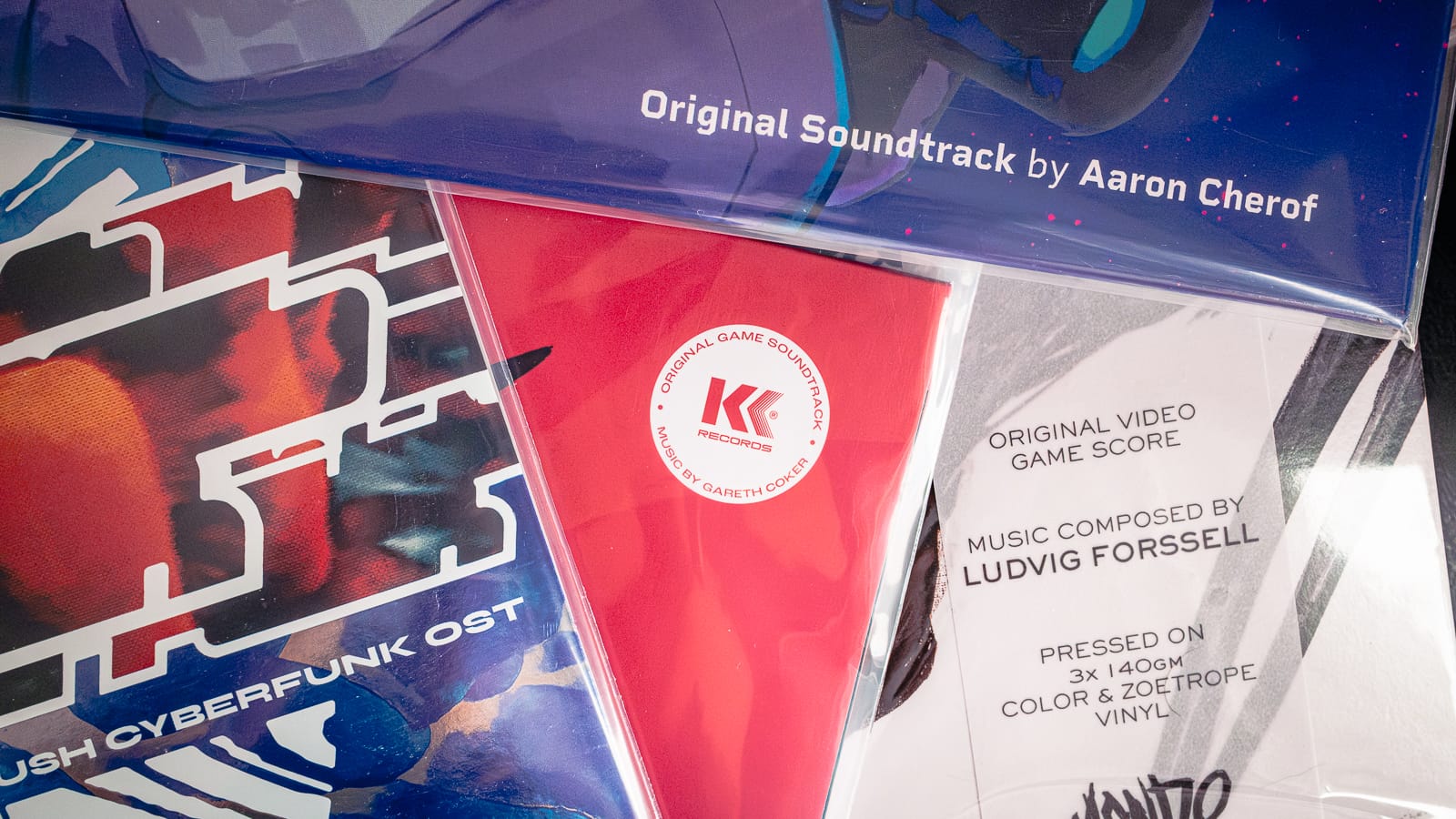
Driven once again by an on-fire Olivier Derivière, the OST (which has already been available on streaming platforms for over a week) takes a welcome side-step alongside the game itself. It invites us into a martial, hostile, yet strangely familiar world that I had the privilege of exploring early for this review. Take my word for it: A Plague Tale Legacy has everything it takes to win over die-hard fans while seamlessly onboarding complete newcomers.
If Legacy hadn't been in active development for years, you could almost accuse Asobo of chasing trends. Pirate lore and Greek mythology are certainly having a moment this summer. Take a pinch of The Odyssey, mix in generous cuts of the Assassin's Creed Black Flag remake, give it a good shake... Nah. That formula is far too reductive and fails to do justice to the French team's creative prowess.
I harbored my own doubts about Resonance: A Plague Tale Legacy. But now that the credits have rolled, I can say it without hesitation: this is my favorite entry in the entire franchise.
Even though I'm not a sucker for prequels, the structure allows the developers to pull off a neat trick: shocking us with novelty while comforting us with familiar touches. It's a delicate balancing act, yet Asobo's alchemists have perfected it to deliver a memorable new adventure that serves as the studio's finest artistic showcase to date.
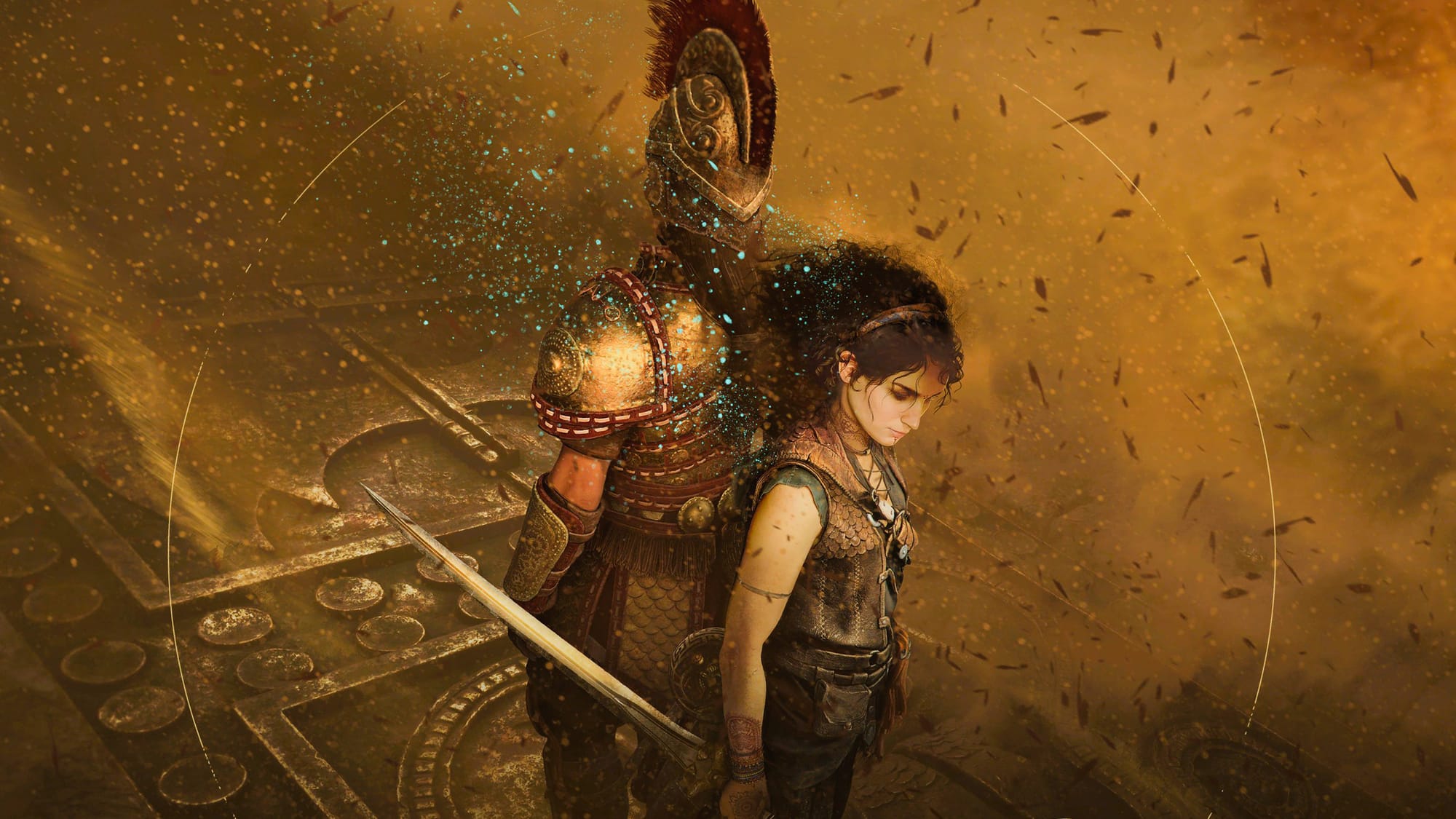
Resonance: A Plague Tale Legacy is the story of a calling. It centers on a mysterious island at the edge of the Aegean Sea that has beckoned Sophia ever since childhood. Her father is convinced that the Minotaur's island holds the key to curing her terrifying visions of incomprehensible myths, nightmarish creatures, and Greek tragedies. And if they happen to pocket a few treasures along the way, who's complaining? Sophia and her kin are plunderers, after all. They form a ragtag band—the literal village that raised Sophia while her father sailed the seas in search of the elusive island. Yet the young woman is abruptly torn away from them following a thrilling prologue that sets up both narrative and gameplay stakes with flawless pacing.
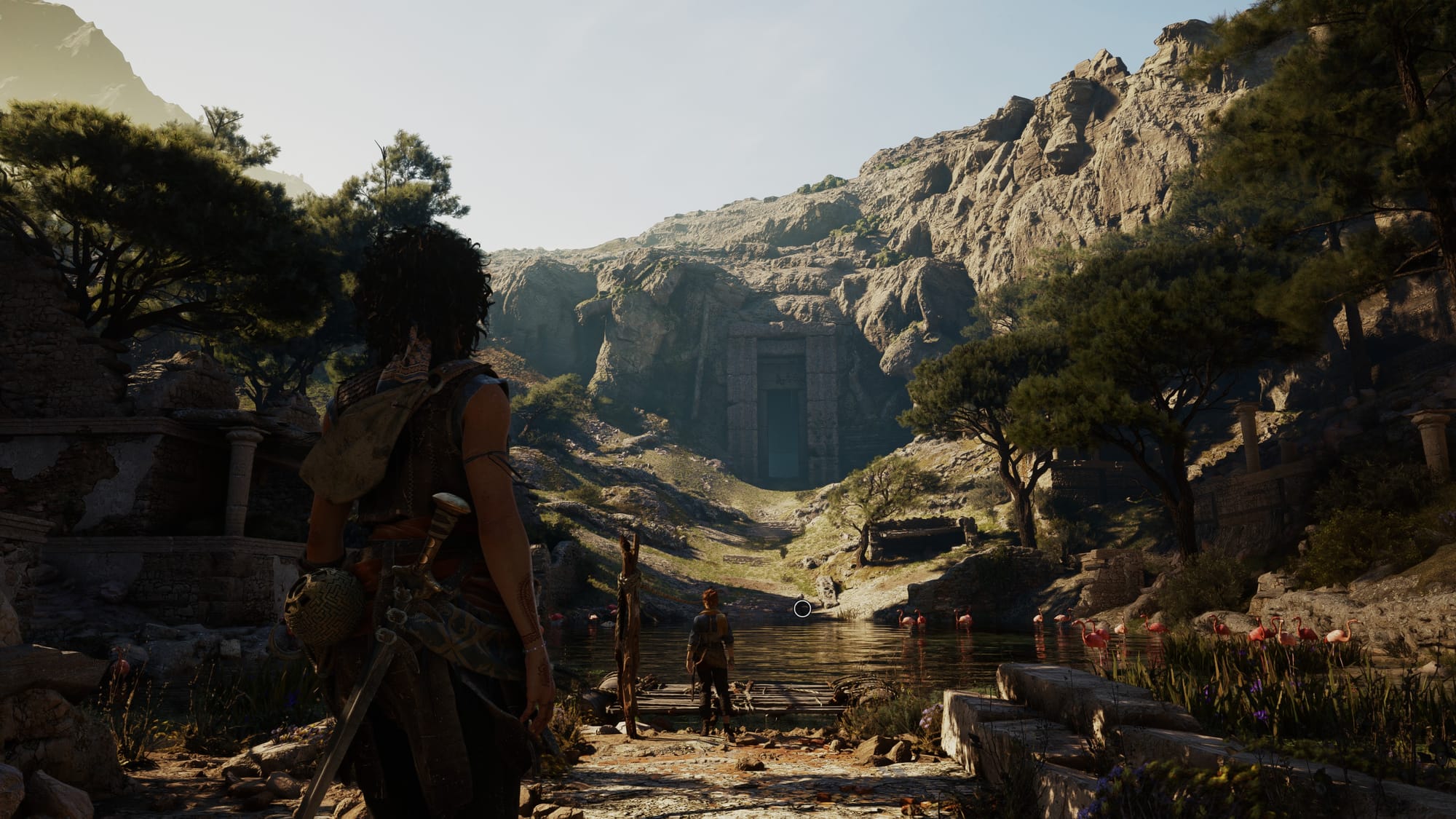
In its opening hours, Resonance: A Plague Tale Legacy fondly recalled vintage action titles like The Witcher 2 (a game I hold dear to my heart). If you played previous installments (which is by no means a prerequisite here), you already know that melee combat wasn't historically the studio's strongest suits. Wisely self-aware, Asobo keeps things lean and mean: movement feels tight, parries feel responsive, and executions are as bloody as they are gratifying. Yet the studio doesn't reduce Legacy to a budget Assassin's Creed. Instead, the game quickly evolves into a compelling bootleg Uncharted or the latest Tomb Raiders. Once Sophia touches down on the island, the adventure—while remaining comfortably linear—opens up alongside breathtaking vistas, enticing players to comb every corner for passive-buffing trinkets, shiny weapons, or lore-expanding artifacts.
Resonance: A Plague Tale Legacy marks a dramatic departure from its predecessors. Yet that underlying familiarity reveals itself across multiple layers from the very first minute. As if pulling us back into its grip, Asobo opens the narrative inside a somber convent where Sophia is held against her will by The Order that sees immense power in her visions. Instantly, Éric Maria-Couturier's cello sends shivers down your spine. Make no mistake: this is undeniably a Plague Tale game. Despite the sun-drenched settings and Sophia's rogueish charm, the soundtrack constantly reminds us of where we are, the looming threat, the hidden stigma, and the darkness that even the midday sun cannot pierce.
While brighter overall, A Plague Tale Legacy's score represents exactly that: an heritage. Repeating himself was out of the question for Olivier Derivière, so Resonance's soundtrack feels refreshingly unique—due in large part to vocalist Vasiliki Anastasiou and the Cypriot ensemble Amalgamation Choir she's conducting. Where Innocence leaned into dissonant sound design and Requiem introduced a full orchestra paired with an Estonian choir embodying Hugo, Anastasiou's fiery voice here becomes a direct extension of Sophia's inner soul. The track "Patera" (meaning "father") stands as the prime example, with the game expertly interweaving it at key narrative beats to heighten emotional impact.
More aggressive, assertive, and percussive ("The Fight of the Braves"), the music acts like a guide for Sophia's blade, driving forward like a war drum to rally the player after every setback. It also mirrors the environmental design brilliantly. Just as the cello symbolized the rat threat in the first two games, the carnyx serves a similar purpose here. This Celtic Bronze Age horn was historically used as a psychological war weapon to intimidate enemies. Without spoiling when this striking instrument appears, suffice it to say it hits its mark with devastating effect.
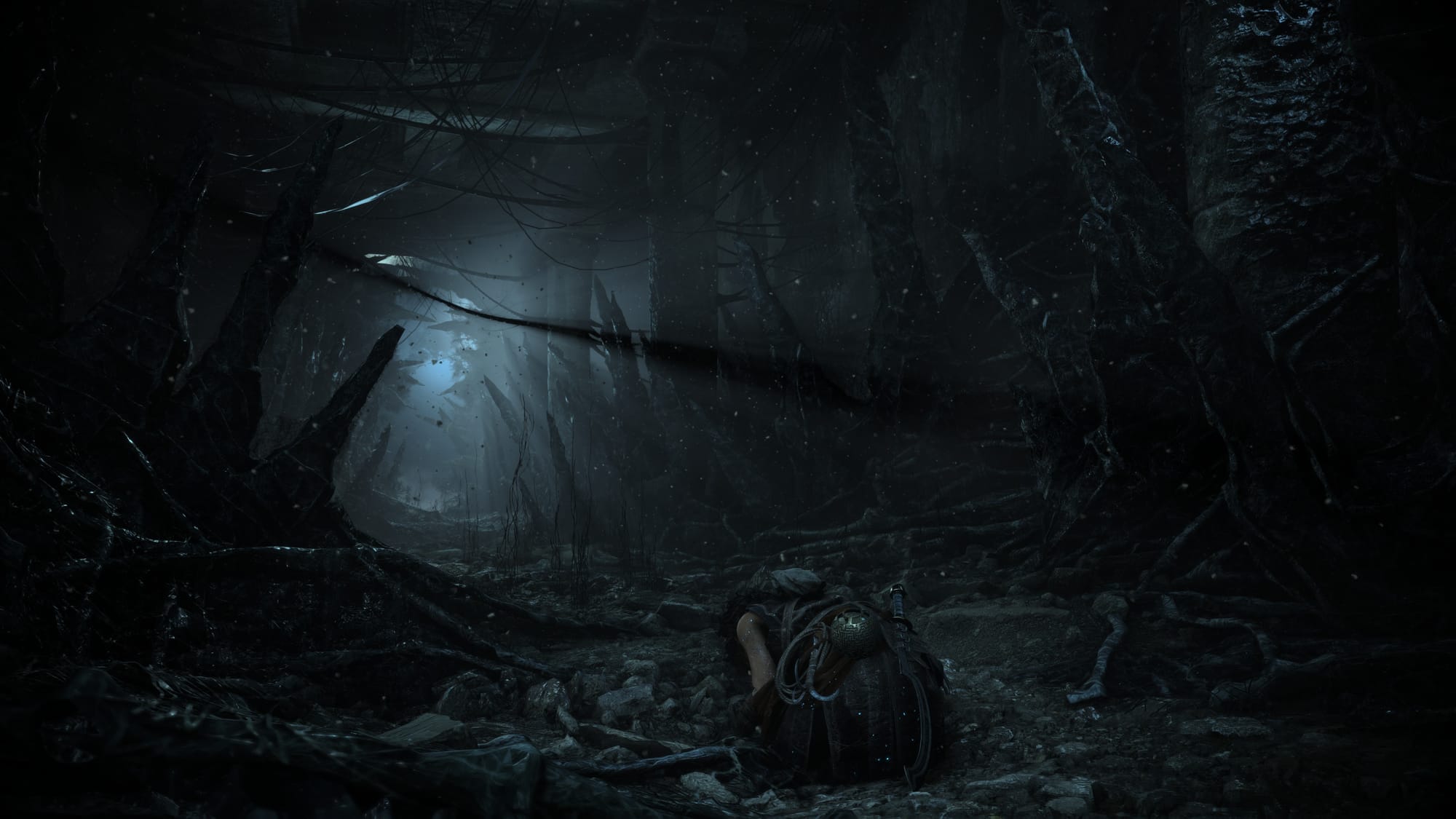
Resonance: A Plague Tale Legacy never shies away from ambition, showcasing colossal panoramas that demand you hit the screenshot button. These vistas are bolstered by sweeping audio textures that amplify awe, dread, and helplessness in equal measure. Legacy delivers the most stunning imagery the series has ever seen, matched by a soundtrack that has never been more vital or affecting. Hearing Vasiliki Anastasiou's voice break into a rasping breath during crucial story turns ("Father and Daughter", "The Depart") gave me goosebumps time and again.
It's no coincidence that Derivière chose to share "The Land" as the lead single months ago. As the main theme, the track stands as a statement of intent—a gateway opening up an uncharted world that attracts us as much as it frightens us. I had my doubts before booting up Resonance: A Plague Tale Legacy, fearing it might be one game too many or questioning what a prequel could add to Amicia and Hugo's self-contained story. Who could have guessed it would result in Asobo Studio's most impressive game to date?