I may not be the world's biggest comic book fan, but the X-Men hold a special place in my heart thanks to Bryan Singer's movies. Discovering Hugh Jackman as Wolverine before I was even 10 leaves a mark. Let's just say my childhood imaginary enemies still remember my furious claw slashes. Twenty-six years later, getting a game celebrating my childhood hero naturally struck a chord. The promise felt especially tantalizing coming off a trilogy of Spider-Man games that, while undeniably exhilarating to play, felt a bit too squeaky-clean in their writing for my taste. In Marvel's Wolverine, you rip enemies apart with your bare fists, paint the walls and your own mug with the blood of anyone dumb enough to stand in your way, swear, drink, and unleash unrestrained, toxic-male rage. Yikes.
So it was with genuine, if cautious, curiosity that I booted up Wolverine a few days ago. I was particularly intrigued because I loved the game's main theme by David Fleming (Superman, Widow's Bay), which opens an original soundtrack that is inevitably Hollywood-coded, yet surprisingly thoughtful. Clocking in at just over six minutes, the opening track "Logan" tells us almost everything we need to know about the man. You can practically see his flannel lumberjack shirts materialize to the rhythm of the acoustic guitar; you picture the hero's falsely dismissive scowl, pretending nothing gets under his skin while tragedies line up single file, all set against a gorgeous violin melody that serves as a recurring leitmotif throughout the journey. It is a genuine statement of intent—a vision that, unfortunately, only sets us up for a slow, lukewarm comedown. It feels a bit like a rollercoaster's initial climb sending your pulse racing, only to reveal the drop clocks in at a sluggish 15 mph.
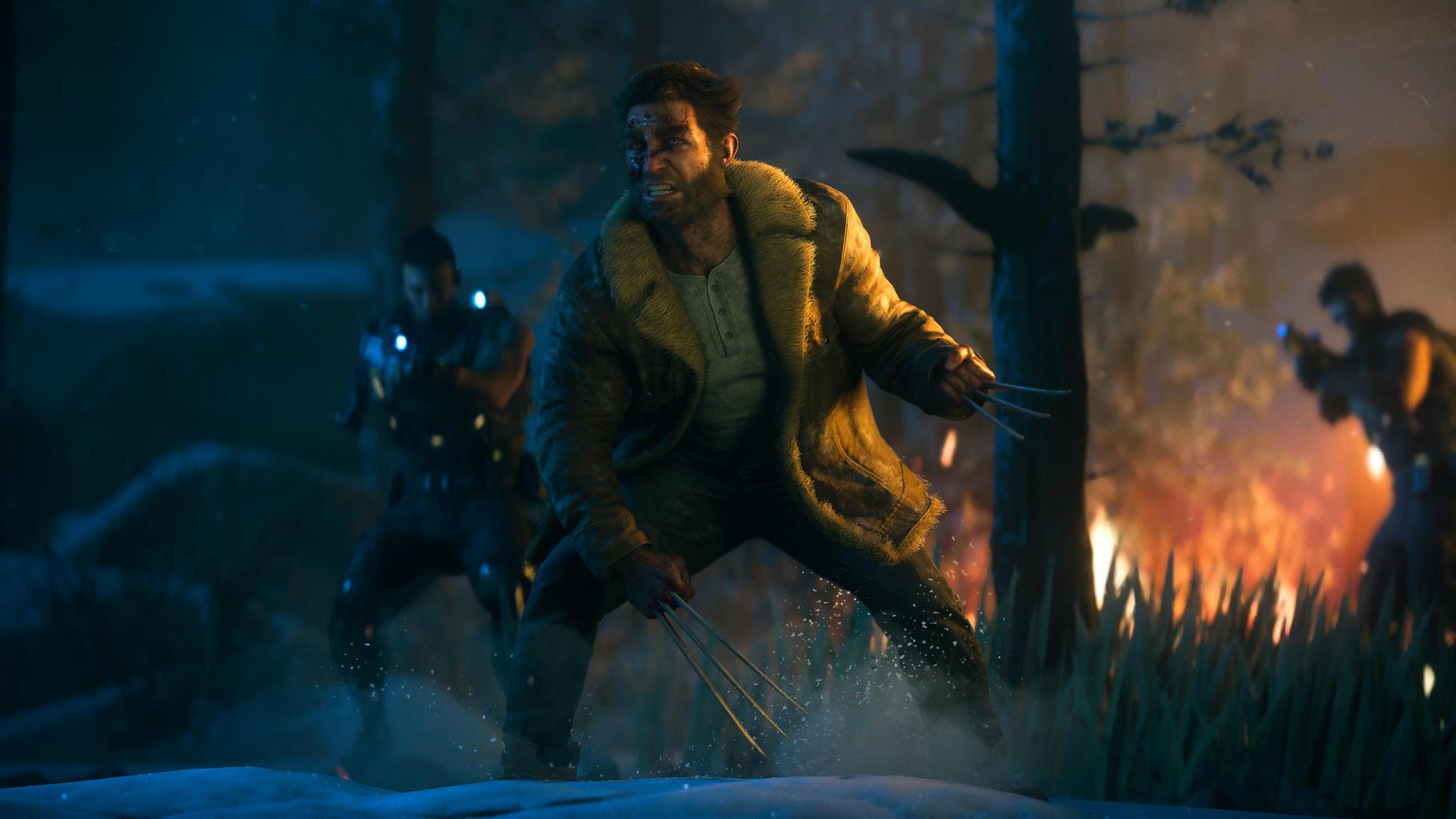
Wolverine doesn't copy the Spider-Man blueprint wholesale. If anything, Insomniac Games only lifted its most narrative-driven, heavily scripted missions. There is no open world here (thank goodness), but rather a succession of linear, story-focused stages interspersed with arena brawls where you butcher goons with your claws. If there is one thing Marvel's Wolverine nails without question, it is the raw power fantasy of its lead. Like the bastard child of Doom Slayer and Kratos when his berserker mode kicks in, Logan steadily ramps into an unstoppable killing machine. Still, his moveset remains limited—certainly far more restricted than our friendly neighborhood web-slinger's. Even though you unlock a handful of special techniques, and the enemy pool evolves just enough to keep you on your toes and force timely parries, you still spend the bulk of the game mashing the square button to cave in chests, pounding on foes who end up as dull, spongey health bars by the late game.
This stagnation extends to the score as well. That evocative leitmotif I was raving about earlier? The game reduces it to an occasional punctuation mark during Logan's bitter-sweetest beats. It turns into a cinematic gimmick that never truly honors the emotional stakes, falling flat on its face. The rest of the time, Fleming's score is merely utilitarian at best, and outright inaudible at worst, drowned beneath an audio mix that excessively favors our clawed brawler's guttural roars.
Wolverine ends up running in circles, never once placing its trust in the player. The poster child for modern AAA tropes, it refuses to let go of your hand. Logan constantly narrates everything right in front of his eyes, and if that were not enough, an absurd blue trail highlights where to go next at every turn, despite the relentlessly linear level design. As if nothing could ever be allowed to disrupt the forward momentum. Yet bafflingly, Insomniac made the odd choice to scatter optional challenge rifts across nearly every stage, tasking players with rummaging through Logan's traumatic memories. Magical portals straight out of God of War Ragnarök sprout from the floor, pulling you out of the action to visit the hero's rustic cabin and complete sleep-inducing trials just to unlock audio logs. These interruptions come completely out of nowhere and derail both the pacing and any sense of narrative urgency. Unable to stomach this design philosophy, I simply gave up on them entirely, even when they popped up as unwelcome as a fart in a spacesuit.
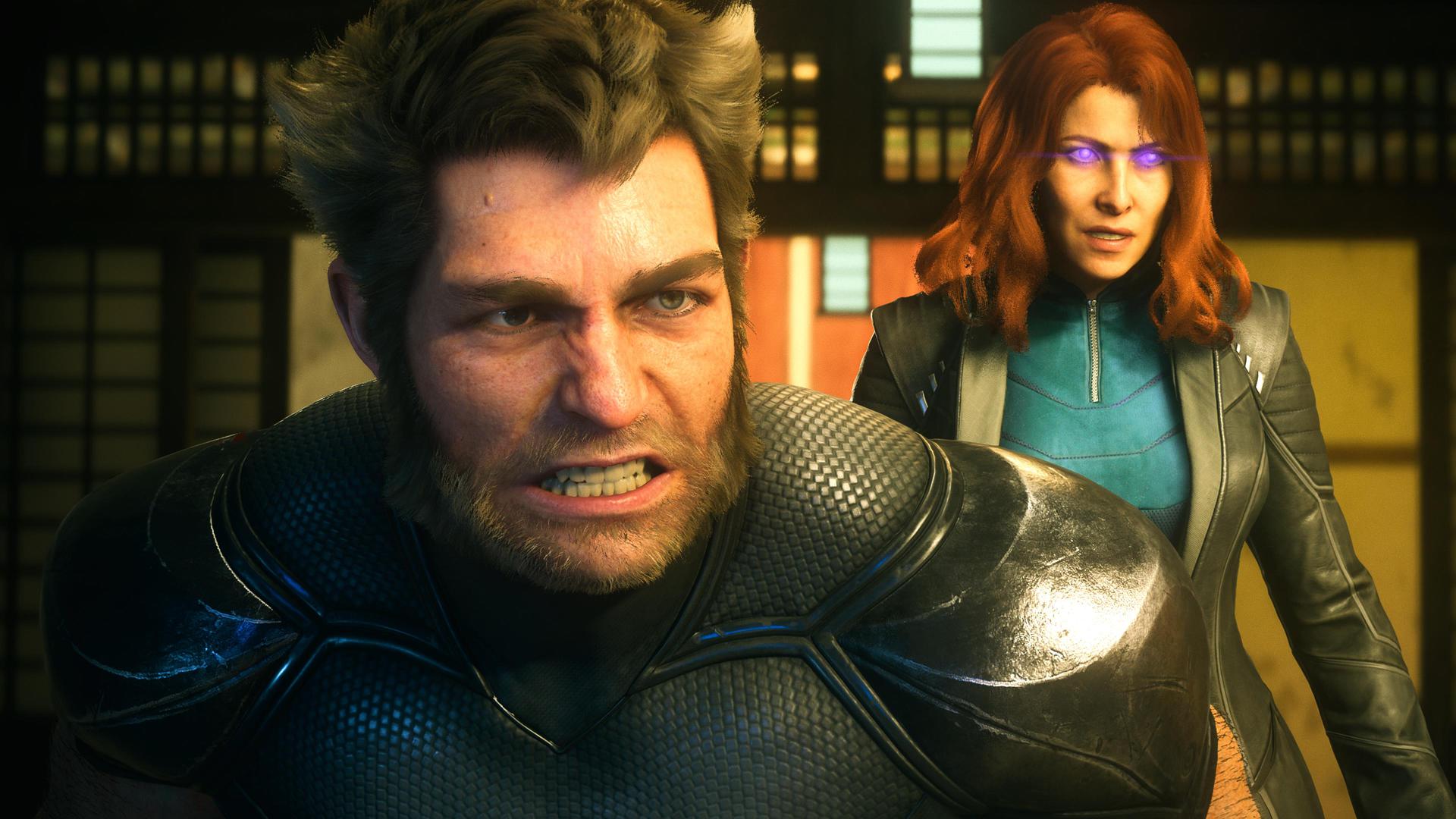
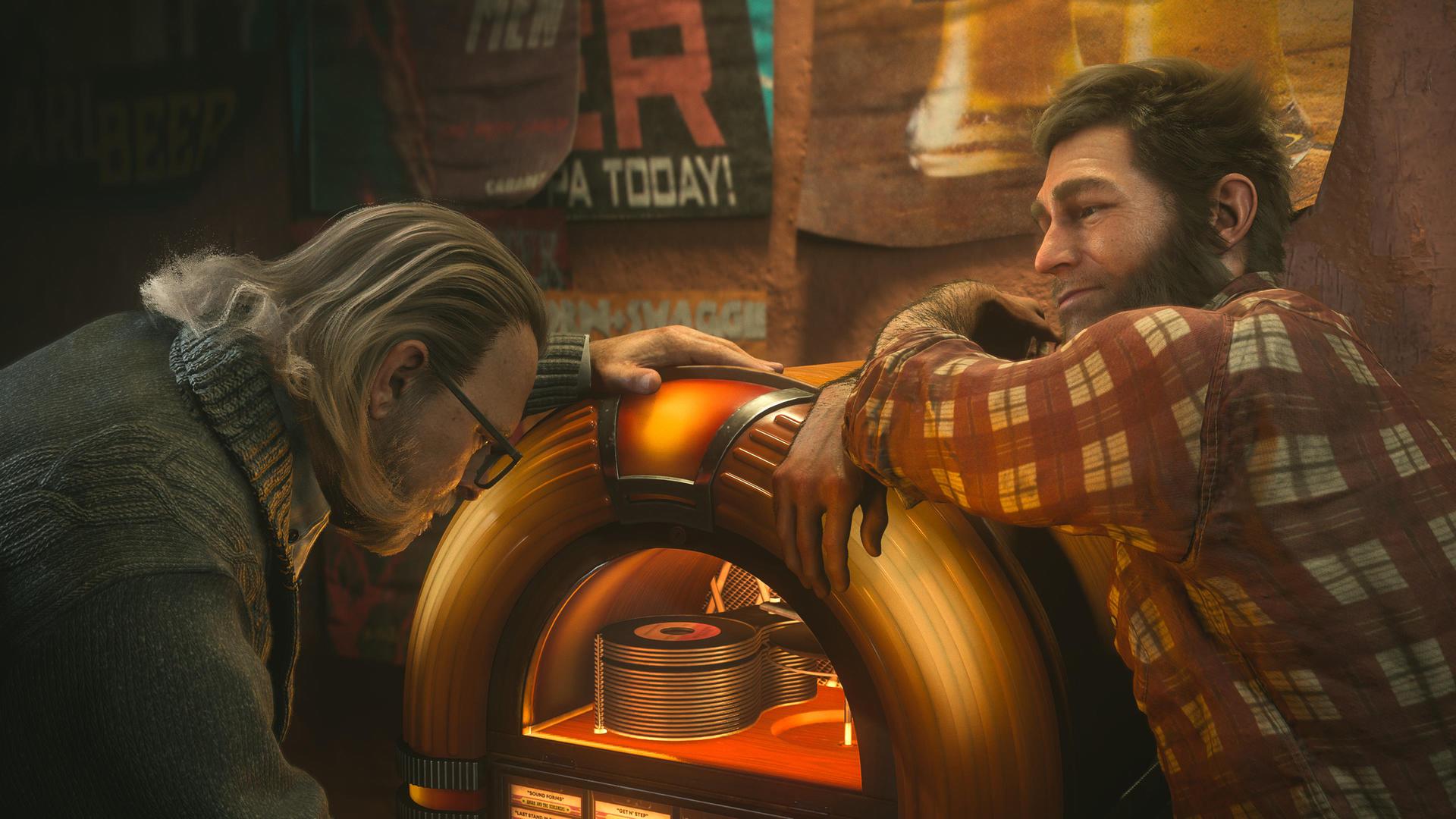
That said, Sony's latest exclusive is hardly the unmitigated disaster peddled by performatively outraged YouTube grifters. While it certainly outstays its welcome (the final stretch is an absolute slog), it wears its genuine love for these characters on its sleeve and boasts stellar cinematic staging. Its core flaw stems from that very contradiction: Wolverine is never more gripping than when you set the controller down and let the cutscenes breathe. Unlike Spider-Man, the most compelling stretches happen while we are purely passive spectators. That is when the writing truly soars—in the quiet, unsaid tensions between Jean Grey and a Logan utterly blind to her signals, or in the awkward silences of a gruff loner fighting to bite his tongue against an unhinged father figure. Wolverine would have benefited from reigning in its scope, aiming less for the sprawl of mainline Spider-Man and more for the punchy brevity of Miles Morales—which remains, to this day, my favorite outing in Insomniac's Marvel stable.
Review conducted on PS5 via a retail code provided by the publisher.