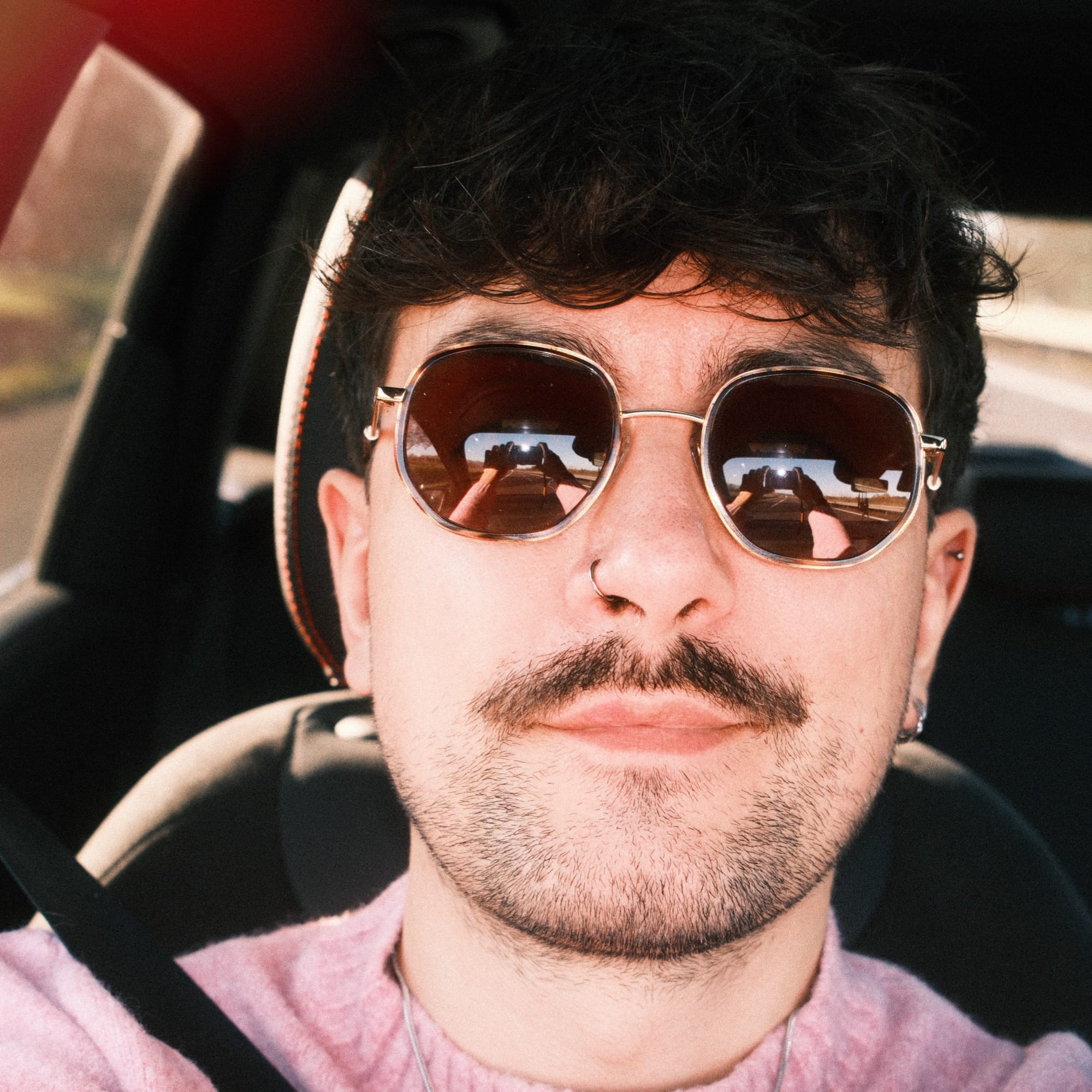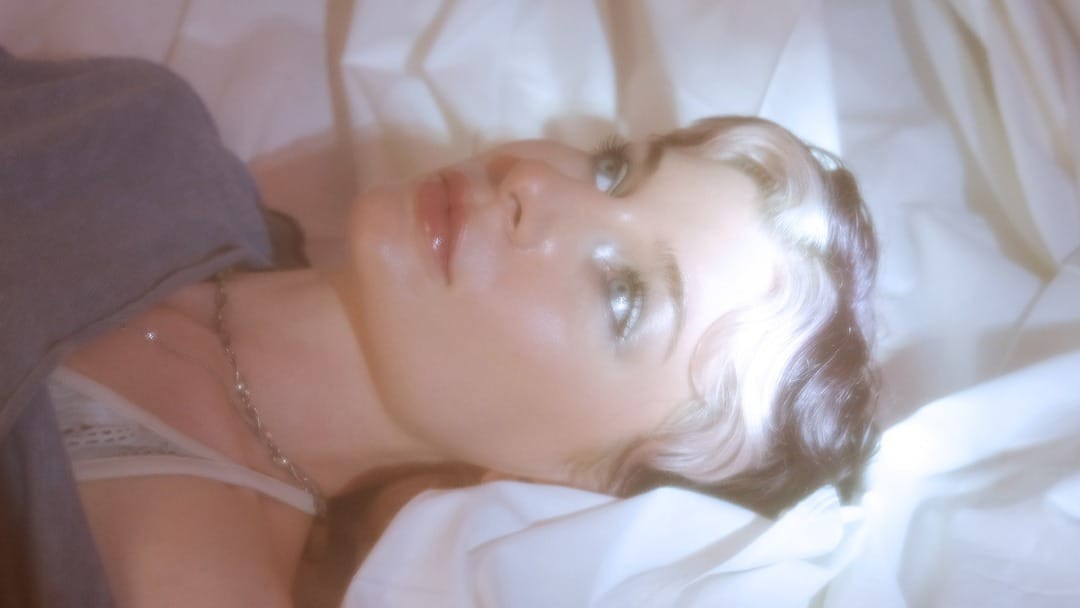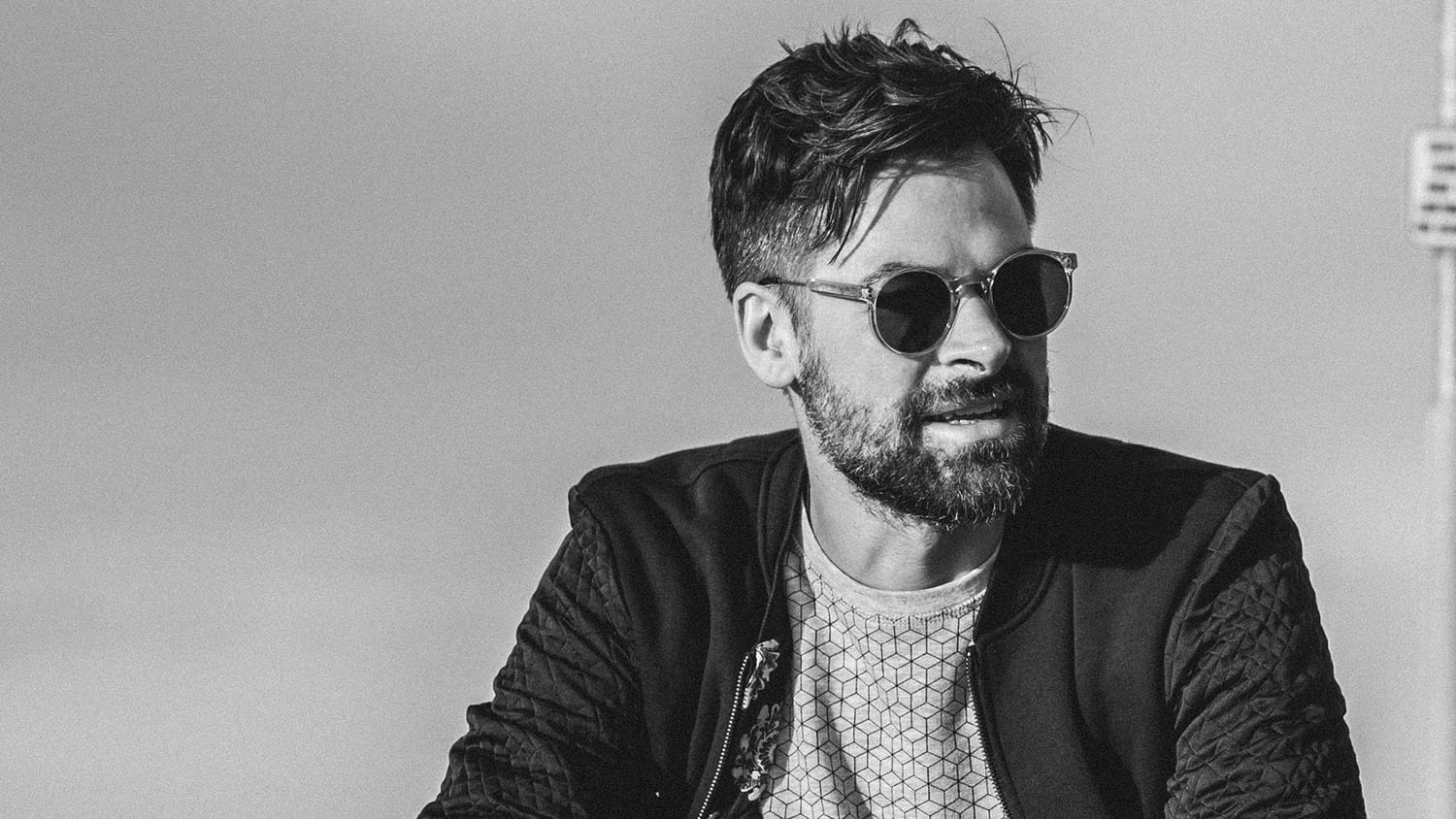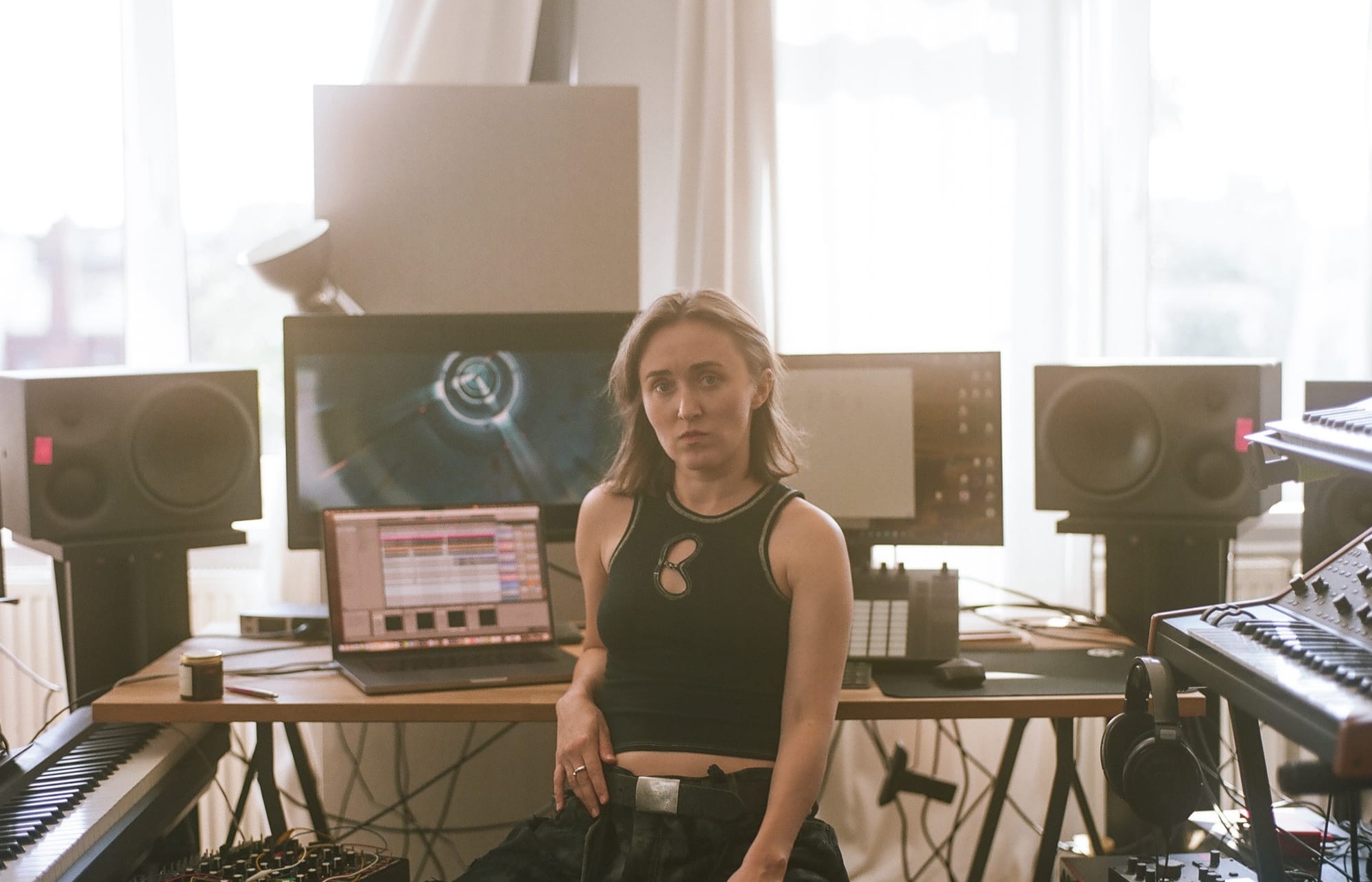
I missed the boat on Metal Eden when it dropped last September. Reikon Games' latest title had really caught my eye with its trailers, but when it finally hit Steam, it unfortunately slipped under my radar. It wasn't until months later, after stumbling upon the OST on streaming platforms, that I finally decided to give it a go. Yeah, Metal Eden is one of those few games I gave a shot after listening to the soundtrack on repeat. You know me—I’m naturally curious—so I wanted to find out more. I reached out to Metal Eden's composer and audio director, Wioleta Wnorowska, aka VOLA default.
Can you start by telling us a bit about your musical journey? How did you end up composing for a video game?
VOLA default: Music always felt like my default setting. That is where VOLA default comes from. It was there before I had the confidence to fully claim it. For a long time I had to get through a lot of self-doubt and personal things before I could really believe I was allowed to build a life around music. So a big part of the journey was not just learning sound. It was finding my way back to who I already was.
Games were around me very early, partly because of my younger brother, who had muscular dystrophy, so they became one of his main windows onto the world. A lot of my own relationship with games started with watching and listening more than playing. Sitting with him. Keeping him company. Building maps or characters for him. We often had a PlayStation at home, usually thanks to my uncle, and my parents always tried to find a way to get us a new computer, so I grew up around games more than most girls my age.
At the same time, I sang for eight years, mostly the highest treble line in a children’s choir, and because we did not have much money, and because I came from a small village, church was really the only place where I could sing regularly.
I remember Final Fantasy making a big impression on me, and later, when I was around thirteen, I played Quake II obsessively with my brother. What stayed with me was the feeling of power in it. That was one of the first times I really understood what music can do inside a game. It still feels a bit unreal to me that around twenty years later I would end up sharing a soundtrack with Sonic Mayhem.
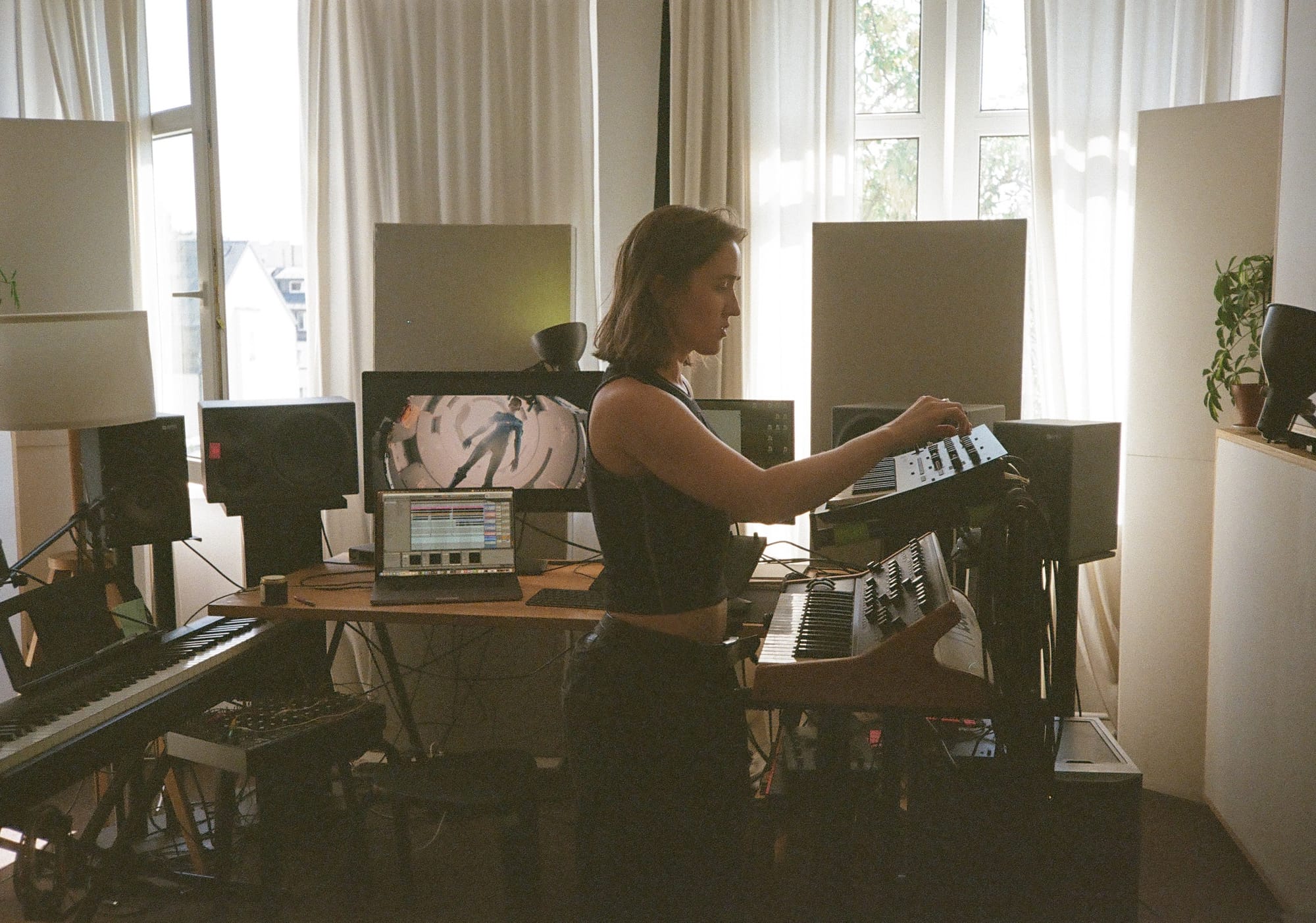
At first I was pushed more towards visual art, mostly because that was the path I had access to. I studied at the Academy of Fine Arts in Warsaw, and while I still had two years left there, I realised I could also get into Sound Directing at the Fryderyk Chopin University of Music in Warsaw and do both at the same time. So I did.
I finished a master’s in Media Art and a master’s in Sound Directing in parallel. I never really studied anything strictly compositional in the traditional sense, and I actually think that was good for me, even though I deeply admire anyone who plays a classical instrument. It left me feeling very free. Once I learned Pro Tools, I stopped being scared of any DAW. And things like object-oriented programming, audio visualisation, Arduino, all of that made me feel I could learn whatever I needed.
After graduating, I worked for years as a video editor, and made my own music after hours. After a while that stopped being enough. I wanted music to take up much more space in what I was doing, because I knew that place between music and image was where I belonged. Then Ruiner came out and I got obsessed with it, especially Zamilka's soundtrack. Mick Gordon’s work on DOOM (2016) was big for me too.
I decided to get my foot in the door at Reikon [the studio behind Ruiner and Metal Eden]. I kept sending them music and ideas for months until some of it started to feel like it already belonged to their world. Then they told me they were working on a demo, and I said: let me sign an NDA, show me a level, and I will score and implement one scene. No pressure. No promises. I made it from scratch and implemented it myself.
After that they invited me in, and that was the beginning. So in the end it was a mix of obsession, persistence, technical preparation, and a bit of luck.
On the way to my meeting with Reikon I stepped in shit, which in Poland is supposed to be a sign of good luck. Hopefully it was dog shit.
What is your relationship with video games in general?
VD: My relationship with games was never just about playing them. It was always about watching, listening, and feeling lost. Because of my brother, a lot of it started with watching him play, and I still relate to games like that now sometimes, watching someone else play, or going back to cutscenes online.
I have probably watched the Death Stranding cutscenes a hundred times. I love that game for its music, sound, and atmosphere. Sometimes when I work, I keep things like Death Stranding, Evangelion, or Ghost in the Shell on a second screen because they put me in a certain emotional space.
The first game I really loved playing was Tomb Raider. I used to go to a friend’s house to play it because I did not have my own computer yet. Later it was things like Half-Life 2, DOOM (2016), Inside, Control, Death Stranding. I also tend to love older games a bit more, things that feel rougher, less immersive, a bit raw in the textures. They are less overwhelming for me, and I like their visual imperfections. They have a sonic aesthetic I really love.
These days I do not play as much, because after whole day in the studio my ears are usually finished and I would rather go for a walk with my dog. But I do still like playing with friends, lighter things, social things, Mario Kart, Nintendo stuff.
There are also games I love but cannot really play myself, because I am too sensitive to them. The Last of Us is one of those. So for me games have always been a mix of playing, watching, listening, and imagining. Maybe that is just how I am.
DOOM was obviously a big influence on Metal Eden; what takeaways did you have from Mick Gordon's score?
VD: DOOM was definitely a big reference for Metal Eden. The most obvious example is probably the distorted bass. I remember watching Mick talk about his effects chains in DOOM, and then trying to get somewhere near that feeling myself. At the time I did not have any hardware effects, so I had to do it all through VST chains. It took a lot of trial and error, but in the end I got there, and you can hear it, for example, in the Angel of Death menu theme.
What stayed with me was not just the distortion. It was the way the bass and drums lock together, the synthetic weight of it, the way noise keeps the tension alive, and how that noise sits in the mix. I also really loved the contrast in his music, the violence of the combat parts against those darker, more ominous drones in the quieter spaces. That clear split between brutal arena energy and the breath in between. The choir phrases after finishing an arena. The darkness. And even though there are no guitars in Metal Eden, there is still something metal in the structure of the combat music, in the way it moves and releases energy.
And it was not just me thinking like that. Kuba Styliński and Adam Sikora are both big DOOM fans too, so that influence was already in the game on a wider level, in the pacing, the arena design, even in the weapons and enemy sounds. So yes, in our case Mick Gordon’s influence was not just musical. It was part of the game’s DNA.
Currently, I'm playing Marathon and noticed some artistic similarities. What do you think of Ryan Lott's work on the soundtrack?
VD: I only started listening to it very recently, actually. A friend sent it to me maybe a week before you wrote to me, so I am still getting into it. I have not played Marathon yet, but it is right at the top of my wishlist, and I have to say I am already really impressed by the soundtrack. So for me, that comparison is a big compliment.
I do not think I have sat with it long enough yet to say anything too final, but the first thing that really got me was the bass. There is something in that language that feels close to me. It even reminds me a bit of my Moog Subsequent 37. I love the way the bass sits against the vocals too. The voice feels airy and fragile, and then the bass comes in raw, heavy, arpeggiated, pushed through effects, but still feeling fresh. It is the kind of bass that carries so much weight you almost do not need a kick. And there is something else in it that I really respond to. Something a bit possessed in the melodies, the harmony, the way it builds tension.
It feels sick. There is a little bit of madness in it. It is the kind of sound world I can fall for straight away.
How was it working with Sascha Dikiciyan on the soundtrack? Did you guys know each other beforehand? How did you divide the work on Metal Eden?
VD: I did not know Sascha before, no. It started in quite a funny way, really. Adam Sikora, one of our gameplay designers, had noticed that someone called Sonic Mayhem kept turning up in the comments, and at some point we realized it might actually be "the" Sonic Mayhem, which felt a bit unreal. Sascha reached out after seeing the Metal Eden trailer, which I had edited and scored. He liked it, and because he was already a fan of Ruiner, we ended up getting on a call.
Then we had a few more video calls, and later, when he was in Europe and not too far away, I invited him over. We spent some time together, talked, listened to things, exchanged references. He heard the music I had already made for the game and really liked where it was going, so it just felt natural to see if he could add something to that world.
We kept talking for quite a long time after that, and eventually the first track came through. At the start I was giving him feedback, just trying to make sure that what he was doing sat naturally inside the gameplay and music that was already there. But the first piece fit really well, so then I just asked him for more. I was coordinating his side of it myself the whole way through.
In the end, Sascha licensed eight tracks for Metal Eden. We agreed they would be part of the official soundtrack, but also that he could release and sell them on his own Bandcamp, because that mattered to him.
On the game side, I was still the only person working in the engine, so I implemented all of the music myself. I was also the one deciding where Sascha’s tracks would sit in the game and how they would be used, obviously with feedback from the directors and gameplay designers. Sometimes I also reworked parts of his material from stems, making ambient pieces, transitions, or small variations, just so it would sit more naturally inside the interactive score.
Not only did you compose the majority of the songs for Metal Eden, but you were also in charge of all the audio in the game. It must have been overwhelming!
VD: Yeah, it was a lot. But I actually work quite well under pressure. I like being close to the decisions. I like shaping things. Even when it gets heavy, there is something exciting in that for me. I pick up technical things quite fast too, so even jumping from FMOD to Wwise did not really scare me. I was actually excited to learn a different way of thinking through a new middleware. I like software, but I like people too, and one of the nicest parts was having sound designers over, doing mix sessions, playing the game together, and talking things through. I learned a lot from that. For most of Metal Eden, I just felt grateful I got to do that work.
I like difficult things. I like finding out I can carry them. The hardest part was when the investor pulled out, because that happened at a time when loads of studios were getting hit in the same way. People had to leave and the mood dropped badly. Some really important people also had mortgages, families, real responsibilities, so they simply could not stay on a project with such an unstable future, and I completely understood that. Before all that, Jasper Yang (who is French, btw) was leading the audio and brought a huge amount of quality to the project, and later on he was also a real support to me.
Then, quite close to the end, I found myself carrying a lot of it alone. I lost my VO designer too, so I ended up doing all the narrative VO sound design myself, even though that was never the original plan. But in the end I actually really enjoyed that part of the work.
In the final stretch, there were only three of us left in audio: me, Marcin Sobczak, and Filip Krzyżykowski. While finishing the music implementation, I was also testing it myself because we did not have enough testers, giving detailed audio feedback on cutscenes, finishing music for cutscenes that were still being made, and organizing mix and optimization sessions for the whole game. Some people might look at it and think I had a long time, because the project took years, but I was not one person inside a big music team. I was carrying the music mostly on my own, while also helping the SFX side, so for one person it was not really a lot of time at all. I do not hide the fact that it became a passion project for me, not just a job. I put everything I had into it for years. And I really want to give proper credit to Marcin Sobczak and Filip Krzyżykowski, because that final stretch would have been much harder without them.
Nexus' voice acting sounds almost like lyrics at times; I love that you've included it in some tracks of the OST. Was it always there, or did you add it as a layer later on?
VD: Yeah, I did change a few things for the OST versions, so thank you for noticing that. In the game, the music has to work inside the gameplay, and the narrator sits separately in the mix, so it could not really exist in that exact way there. But on the album, it just felt right to bring Nexus’s voice into some of the tracks. It gave them a bit more shape, a bit more identity. I also just love what a human voice does to electronic music. It wakes it up.
To me, those lines never felt like just texture. They felt like little bits of story sitting inside the music. I like Nexus voice. It is not like a closed message. It feels more like something open, something you can step into in your own way. You can feel things in it, connect meanings to it, without needing it to explain itself completely.
What is your favourite track on the OST, and why? Are there any fun behind-the-scenes stories about it?
VD: It is actually hard for me to say which track is my favorite. It might be easier to say which one I least want to hear again, because when you have worked on something for that long, you do not always want to keep listening to it.
But right now, maybe I would say The Only Way Out Is Through. Adding the vocal changed that track for me and made the melody open up in a new way. I also added an extra melodic line in the last section as a little bonus for the album version.
In the game, that track sits more in the context of a dropship stinger, so that final melody does not really get the space to fully come through there. Because of that, it feels a bit renewed for me now. It was also one of the earliest tracks I wrote, so maybe I am less tired of it than some of the others. Right now, it still feels fresh to me.
My personal favourite is 'Overclocked', I think. I really like the build-up, the general vibe, and the whispering 'go' looping at the end. Did you use your own voice?
VD: Thank you, that means a lot. Overclocked is close to me too. And no, that voice was not mine, though I actually had to check my old computer to make sure, because I used my own voice in loads of places on this soundtrack. It is in Angel of Death, Identity Lost, Center of Mass, Metal Rose, and a lot of the exploration tracks too, usually buried in reverb or layered with choir libraries like Rhodope or Output.
I saw a comment on one of your posts saying that the music from Metal Eden sounded AI-generated. Well, I know for sure it isn't, of course. But I want to ask how you feel about all this. As an artist, I'm guessing it must be a hard pill to swallow, being compared to some AI slop.
VD: When I put my music out, I know I put myself in a vulnerable position too, so I try not to give too much weight to comments like that. If someone has real criticism, I will read it. I can learn from that. But just saying something sounds AI-generated, without saying anything more, does not mean much to me.
At first it did scare me a bit, because I know how fast the internet can turn one comment into a whole thing. There had already been some talk around a few lines of AI-generated text that were put into the game by someone else, and I was carrying so much work at that point that I simply could not control every single detail myself. So I could see straight away how people might start connecting things that had nothing to do with each other.
I think [AI] will make things harder for musicians. But I still believe people need human art, and I still believe they can feel the difference.
To be clear, I did not use any AI in the music or in my sound design process. The core of those tracks was written before these tools were really around. The last year and a half was mostly me doing SFX, implementation, testing, rearranging finished tracks, making changes in the implementation, changing things again, audio/production meetings, giving feedback, and mixing the music and the game audio.
As an artist, I do worry about where all this is going. I think it will make things harder for musicians. But I still believe people need human art, and I still believe they can feel the difference.
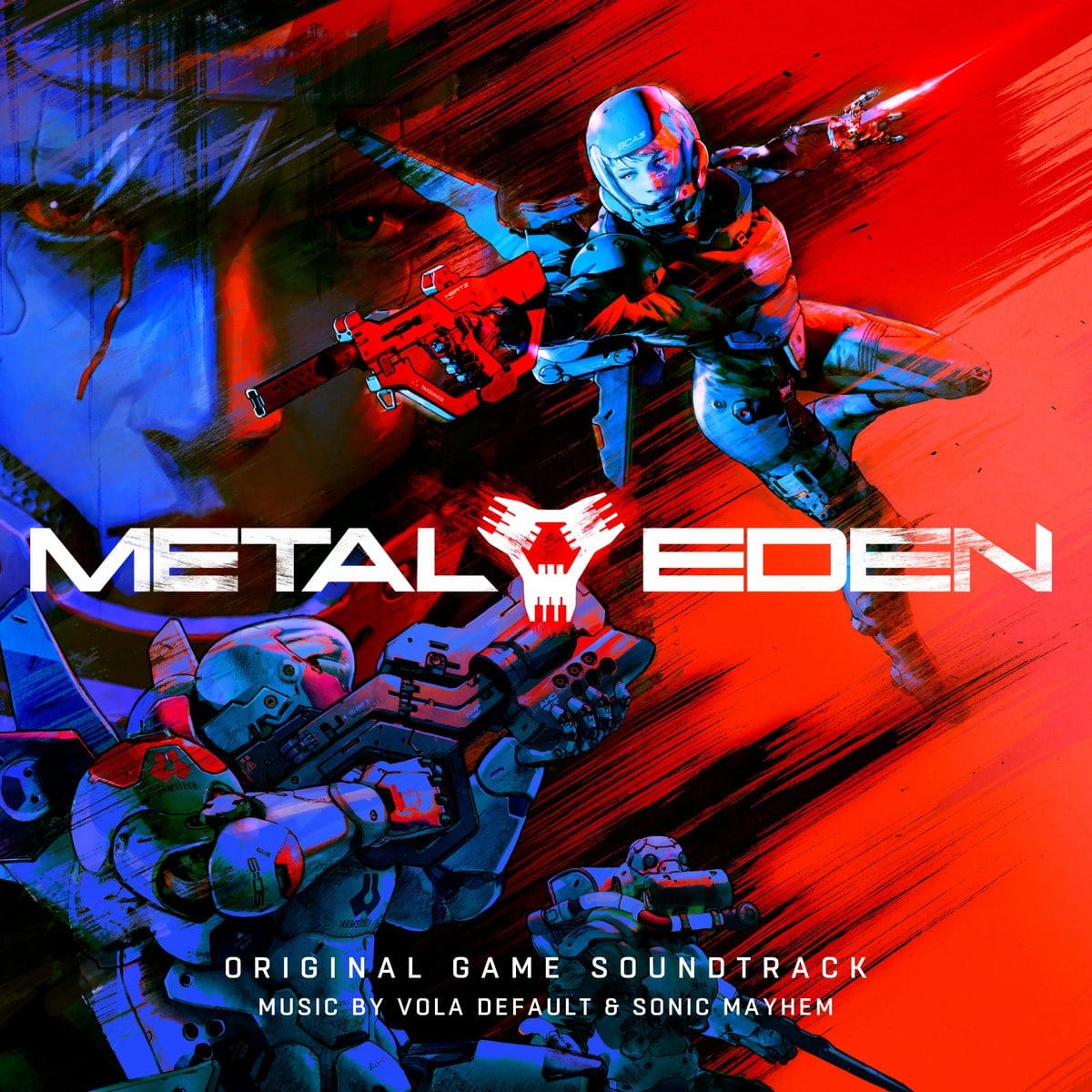
As a huge vinyl collector, I've gotta ask: will there ever be a physical release for the Metal Eden OST? I need this music in my collection. And that artwork? It's gorgeous!
VD: Yes, there is definitely a chance. If there are people who want it, I will absolutely try to make it happen, although it would require coordination between a few different parties, so for now I cannot promise anything. At the moment, nothing is officially planned. And the cover artwork was made by Benedykt Szneider, so full credit to him, it is beautiful work!
I know you probably can’t tell us much for now, but are you returning with new music for Ruiner 2? If not, can you tell us what your next move is?
Anything is possible with Ruiner. As for now, I am open to new work, and I have also promised myself that from this point on I will release new music every two months. I have far too much material sitting in my drawer. I gave so much of myself to this game that, for a long time, I did not give enough attention to my independent artistic path, and I do not want to neglect that part of myself anymore.
At last, I’d love to know what you're listening to these days. Any recommendations?
Today I was listening to a lot of Burial and Brendan Angelides. Zamilska never leaves my orbit. Lately I have been obsessed with Tzusing and UVB-76. I also listen to two people from France I know only through talking on Instagram, Ytem and Toutant, and I genuinely recommend listening to them, because they both have very distinctive musical personalities. I have been so overworked for years that people around me know that if they discover something they love, they should send it to me, and I am always grateful for that. After being locked into delivering the game for so long, I honestly feel a bit like a starving dog taken off the chain. For almost a year I barely had time to properly dive into new music, so now I am diving back in and listening to a lot of new music again, and it is fascinating. I also play DJ sets, and that is usually the first place where I share what I am currently obsessed with.
I just know right away when something gets to me. I can’t always explain why. It can be any genre, really, but when I feel it, I just know. That’s how I curate my DJ sets.