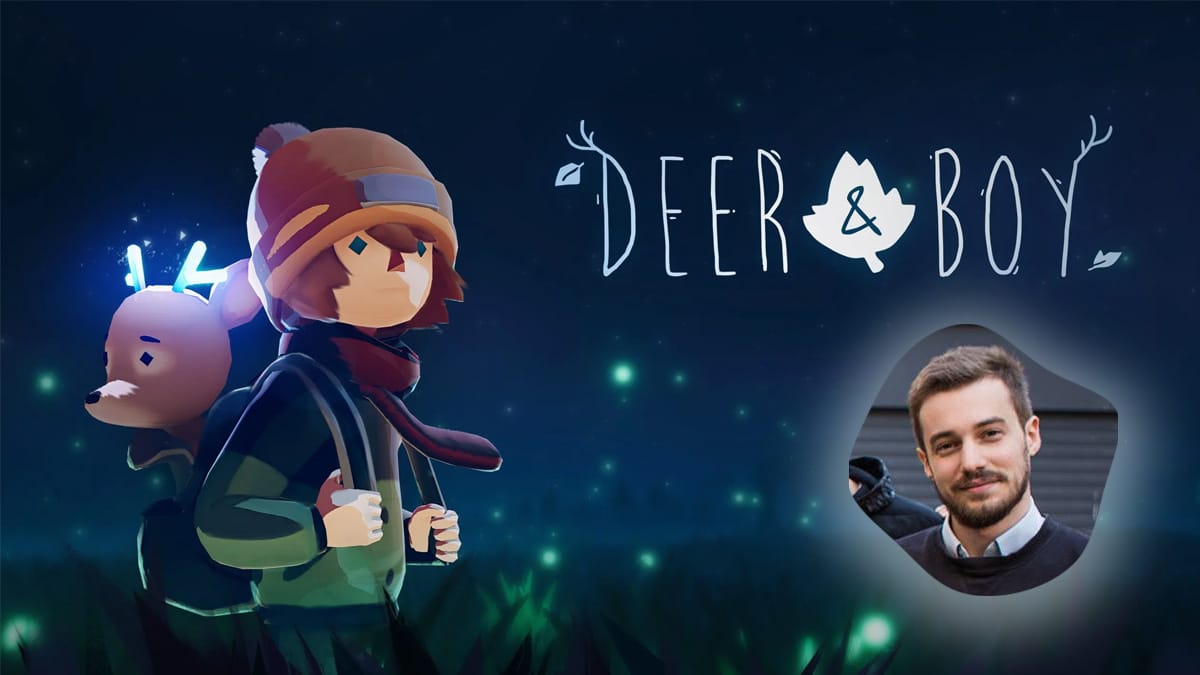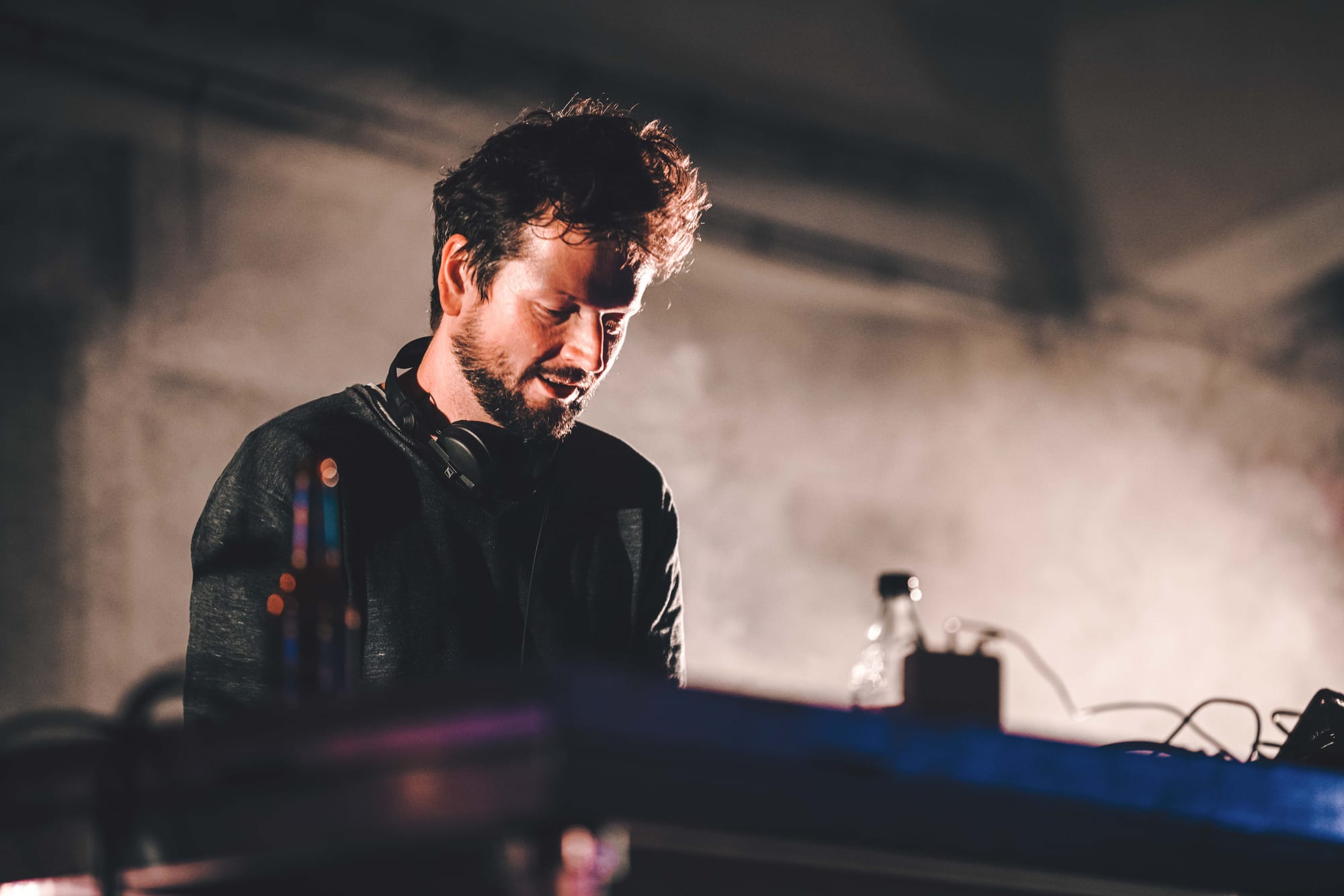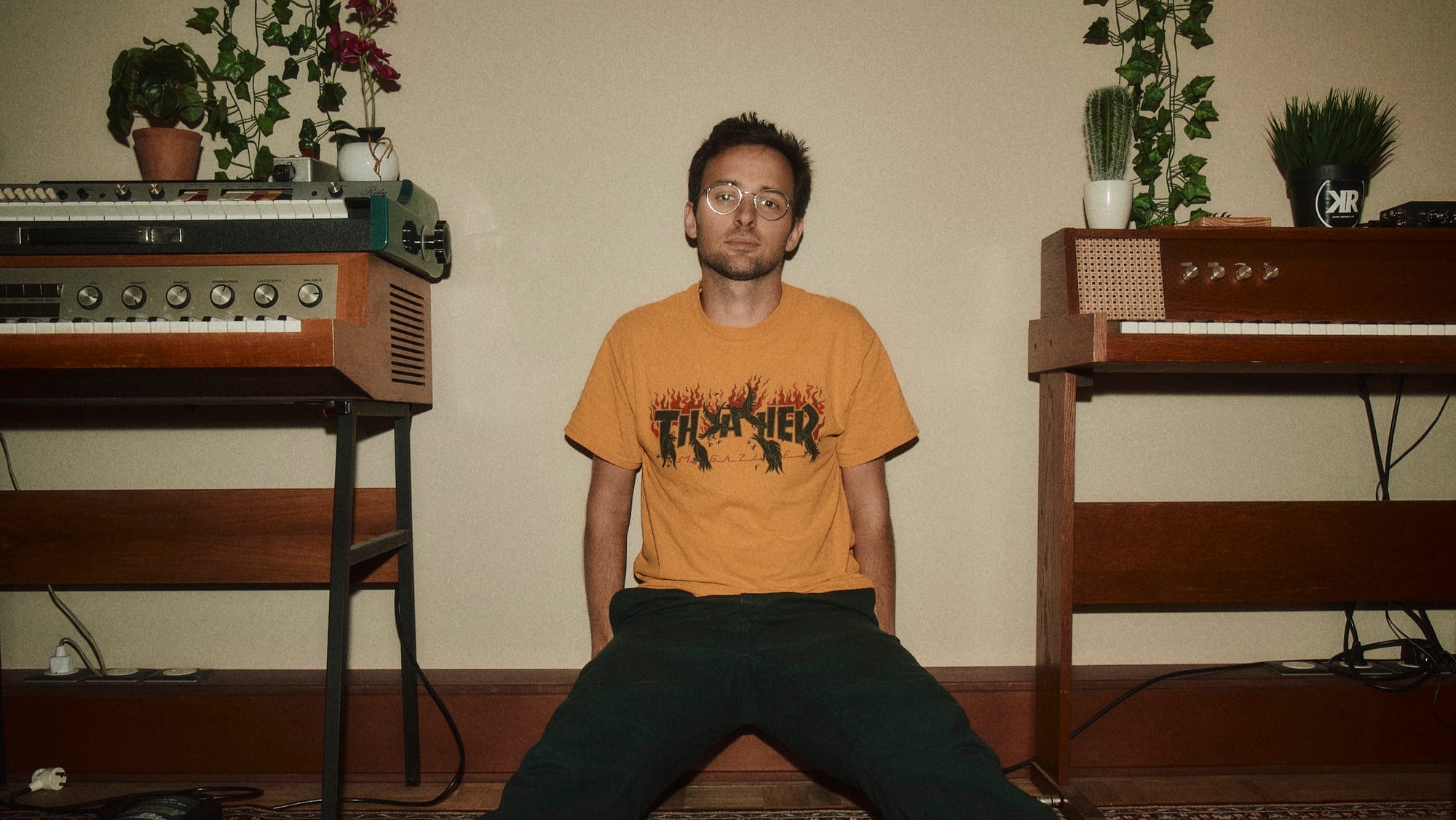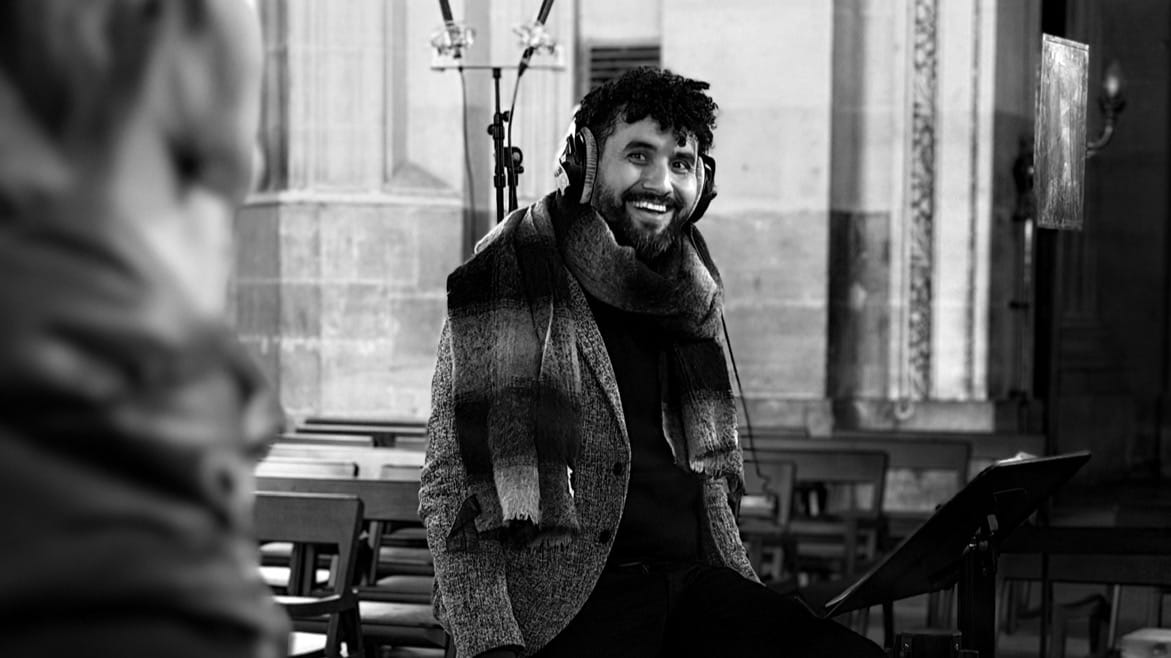
Music and DON’T NOD are inseparable. While we mostly remember the soundscape of Life is Strange for its licensed tracks, we shouldn't forget the revolutionary Remember Me OST by Olivier Deriviere, or more recently, the superb tracks composed by Ruth Radelet for Lost Records. This year, the French studio is taking a new step with a brand-new IP: Aphelion, a narrative sci-fi game developed in partnership with the European Space Agency (ESA).
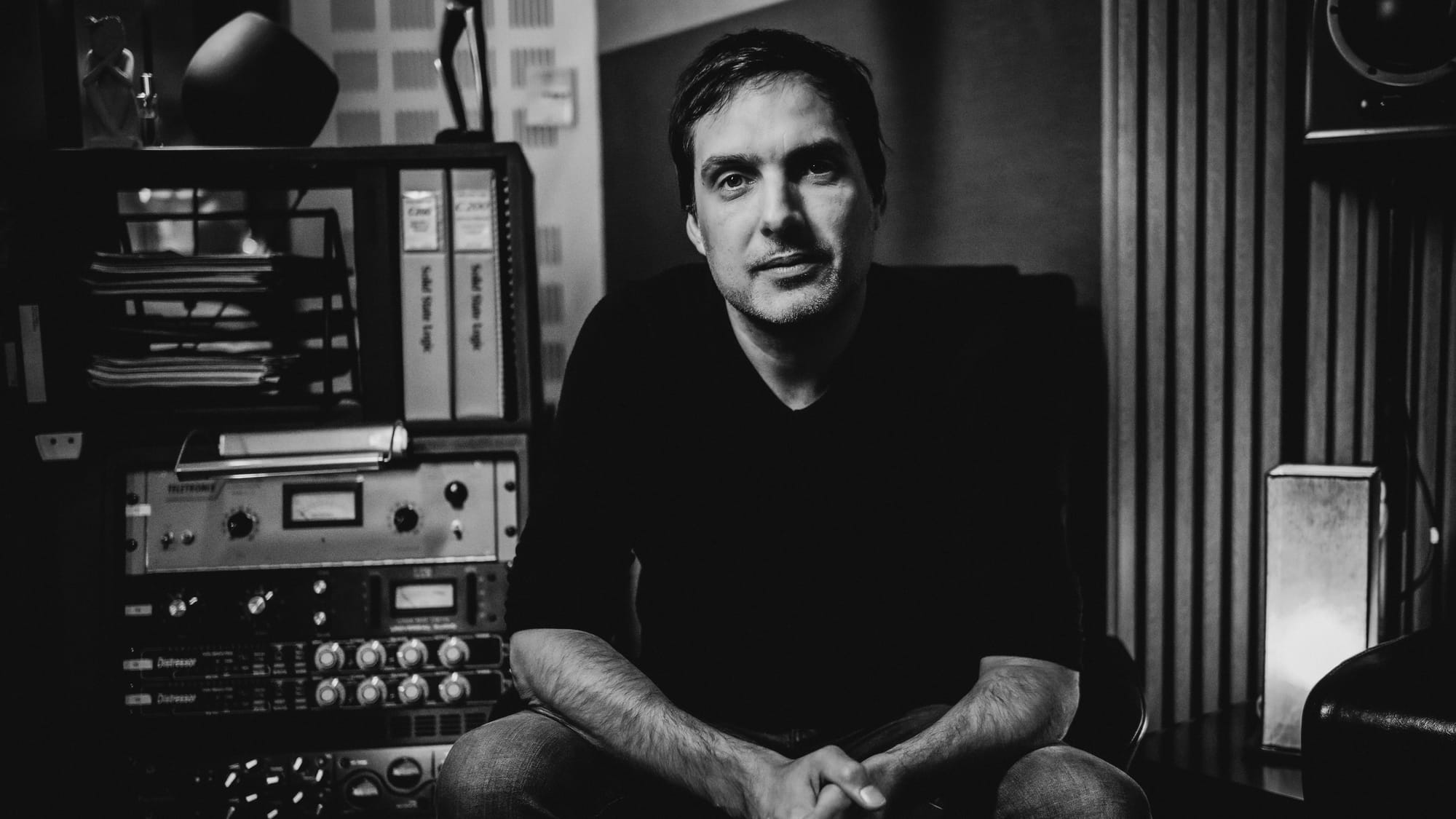
I had the privilege of getting an early look at the game to prepare for an an interview with the soundtrack’s composer: Amine Bouhafa. A 2015 César winner for the music of Timbuktu and a nominee this year for La Petite Dernière, he is making his debut both in video games and sci-fi music. A trial by fire he passed with flying colors, as the music of Aphelion won me over with its surprising approach to the genre.
Warning: this interview contains very minor spoilers regarding the game’s plot but does not reveal anything about the characters' fates or the story’s ending.
What is your relationship with video games, and video game music in particular? Does it bring back good memories?
Amine Bouhafa: It’s really a childhood thing. I played a lot as a child and teenager, and I was always so captivated—and especially impressed—by the production quality of video game music. For me, it was always such an immersive sonic experience that every time I listened to certain soundtracks, I felt like I was back in the adrenaline rush of the game. It’s that joy of reconnecting with childhood that I felt while making the music for Aphelion. I also wanted all players to be able to have that same sense of immersion through the music.
How did the meeting with DON'T NOD happen? Did you reach out to them or did they come looking for you?
AB: Actually, they had seen an animated film I worked on called The Summit of the Gods. They listened to the score and I think it sparked their sonic imagination for Aphelion.
I remember when they called me, I didn't know what kind of project it was. I was imagining all sorts of things, telling myself "Oh, it’s an action game," "No, it’s this...". And when I arrived at the studio, they showed me a presentation of what they envisioned for the planet and the universe, and they had made a montage using music from The Summit of the Gods. I was so taken with the idea. The game has evolved a lot since then—I’m talking about 5 or 6 years ago already.
From the very first contacts, I had written six or seven tracks. Nothing from the game was done yet, just scripts and a few images or artworks. The team developed the game a lot while listening to those tracks, and those themes stayed until the very end; I was able to adapt and rework them as we went along.
On that note, what are the differences between writing a score for a film and for a video game? I imagine there’s a matter of quantity and different variations of tracks?
AB: It’s fascinating because the amount of music you have to produce is incredible. It’s a lot, a lot of music. There is incredible ground for a composer to cover, especially since the people who make games and those who play them are music enthusiasts. It’s a joy, because you have a limitless field of possibilities.
But it’s also a freedom subject to constraints: you have to write music that can be looped without the player getting bored. The music has to be subject to certain shifts or breaks because the player is dealing with several actions. Unlike cinema, it’s the player’s pace that dictates the sequence. You create a kind of map, a musical cartography to follow. The tracks have to be "elastic" enough to fit into all of that while maintaining a recognizable personality. The only moment where we’re closer to cinema is for the cutscenes: there, we follow the character and their voice; we’re more "at home" with a fixed frame.
You are mostly known for very "grounded," realistic film scores. Is working on a sci-fi game a childhood dream?
AB: Working in video games at all is a childhood dream because, as the name suggests, it’s a "game." But what’s incredible is that meetings happen while playing! We arrive, we discuss the stakes, but we also play to realize the obstacles and the experience the player is going to have.
For the tone, we could have gone for classic sci-fi codes, the 70s-80s Star Wars style or something very electronic. But the desire was to break away from the genre and go for something intimate, a human-scale story. It’s as if this planet were a replica of Earth—an environment we don't know but which might resemble a familiar one.
We looked for instruments close to the characters, like strings, while hybridizing them with synthesizers to maintain a mysterious presence. At the heart of all this is a deep relationship between two characters. Since one is often absent, I wanted the music to be their presence, even when they aren't on screen.
Are there specific musical identities for the two characters we play as, Ariane and Thomas?
AB: Of course. Depending on the character, the musical point of view changes. Arianne is always associated with snow, the feeling of cold, storms, or caves. Since she is more athletic and moves through a hostile environment, the music had to physically convey that cold.
Thomas, on the other hand, is in places that are a bit more "sunny," more desert-like. Since he is further along on the planet, there are more traces of civilization and human settlements. For him, there are more synthesizers, and the tempo is a bit faster. We played with the sonic and thematic palette to differentiate the two.
Which is more fun for a composer: writing very dramatic, poignant, melodic themes, or more action-oriented, percussive tracks for those moments when you're being chased by the Nemesis?
AB: I love both, I really like both because they require a different... how should I say? It's a different Rubik’s Cube. It’s another riddle to crack, another equation to solve. The thematic and narrative aspect obviously has a "reward" to it because when it’s played by real musicians, the music suddenly comes to life—it’s beautiful and it gives you goosebumps. At the same time, for anything action-related, I love modular synths, for example. It gave me a reason to get my modular synths out and play with them again. It’s live, twisting knobs; there’s a very playful side to creating loops that repeat and create that breathless feeling: "gotta run, gotta run, the Nemesis is right behind you." But you also have to think about how to weave Arianne’s and the Nemesis’s themes into that action sequence. Both aspects of the music were super fun and super cool to do.
We saw you talking passionately about a kind of crystal organ [in the presentation video for the game's music], the Cristal Baschet. What is this instrument and why this choice?
AB: The Cristal Baschet was invented by the Baschet brothers in the 50s and 60s. It’s a metal sculpture with glass rods that you stroke with wet hands. This creates a vibration transmitted through the metal structure. It’s magical because it’s an organic sound, but it can be reminiscent of synth sounds. It creates that sensation of cold and ice while remaining intimate.
We went to the Baschet workshops to record a whole range of incredible instruments, like the "S.A.D," a 4-meter-high metal structure. We felt like we were in a space station.
I also worked with a real organ, the one at the Saint-Eustache church. It’s an instrument that can be both minimalist and human-scale, and then suddenly produce extremely eerie sounds that are frightening. It mirrored the planet: gentle at times, then suddenly dangerous and rebellious.
We also used the Ondes Martenot, a pioneering French instrument played with a ring, to get that "sci-fi" side but with a much rounder and more solemn sound than a theremin.
The album released on streaming platforms features 17 tracks. Are there many tracks that didn't make the cut for the album? And since it was released by Kid Katana… can we hope for a vinyl?
AB: There are many more! I must have composed about 50. I released 17 because a record isn't the same thing as a game. You need storytelling so that the person listening to the album has a fluid experience. These are mainly tracks from the cutscenes. We might do another release later with gameplay tracks.
As for the vinyl, I’ve restarted the discussion. I have a very emotional connection to this score. I’ve been teasing Kid Katana quite a bit about the vinyl. I hope they do it, because DON'T NOD has already released vinyls for its other games [Jusant and Lost Records], and it’s a logical step to support the record. In any case, the message has been sent!

Support independent VGM journalism
NOWPLAYING is a publication dedicated to video game music news and the people who make it. If you enjoy my work, consider making a donation — it makes a real difference.